• Skip to primary navigation
  • Skip to main content
DeReticular

DeReticular

Local Autonomy. National Security. Total Sovereignty.

  • Solutions
    • Municipalities
    • Energy
    • Industrial
    • Defense
  • Infrastructure
  • Intelligence
  • Company
  • Request Municipal Audit
  • Show Search
Hide Search
You are here: Home / Archives for DeReticular

DeReticular

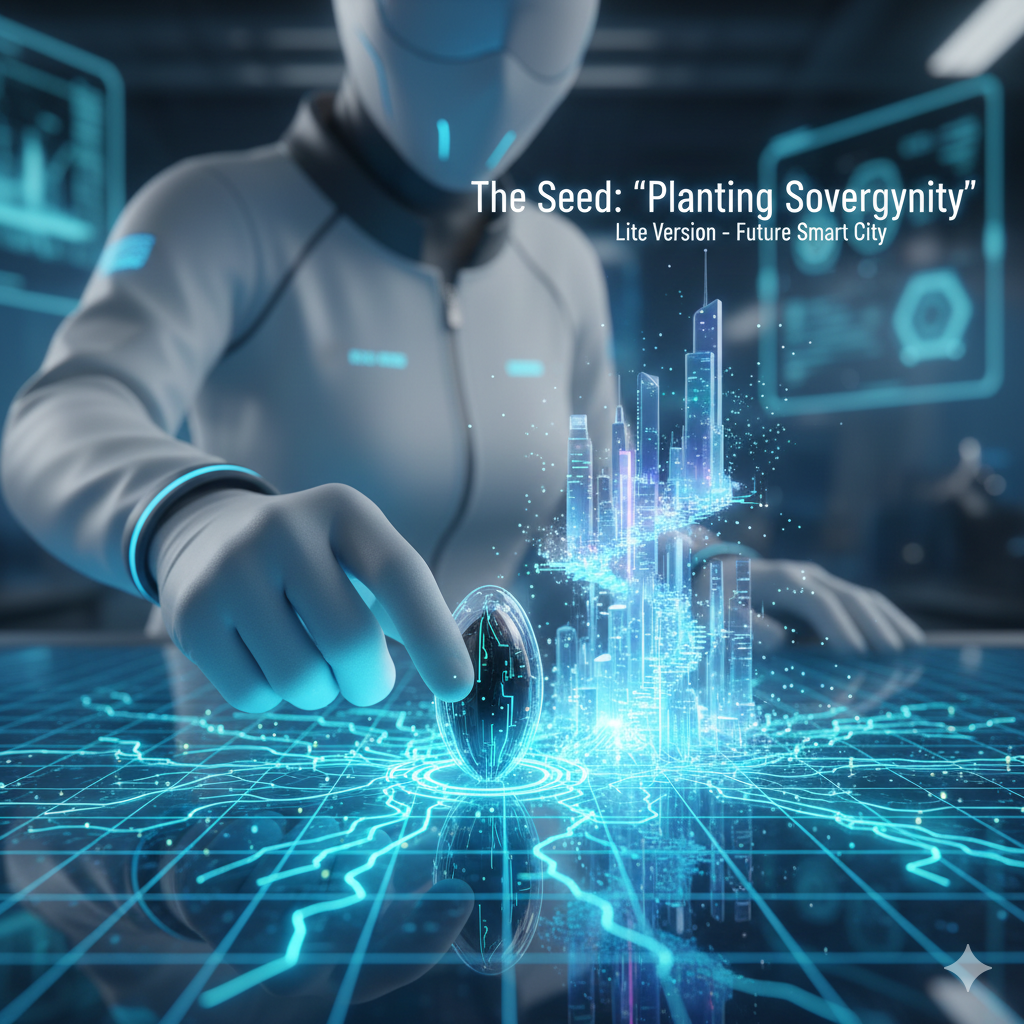
The Seed of Sovereignty: Why Your Town Doesn’t Need a Billion Dollars to Build a Future

Michael Noel · December 2, 2025 ·

By The DeReticular Team

There is a pervasive myth in the world of infrastructure. It’s a myth whispered by telecom giants, massive cloud providers, and government committees. The myth is this:

“If you want a modern, resilient, smart community, you need to wait. You need to wait for a federal grant. You need to wait for a fiber rollout that’s been delayed three times. You need to wait for a billion-dollar budget.”

At DeReticular, we don’t like waiting. And we certainly don’t like the idea that “Sovereignty” is a luxury good reserved only for massive industrial parks or military bases.

We believe that every community—whether it’s a rural village of 500 people, a forward-thinking HOA, or a pilot district in a sprawling metropolis—deserves the right to own its digital destiny.
But we also know that writing a check for $5 million to buy our flagship Enterprise Platform isn’t feasible for everyone. Not yet.

So, we fixed the barrier to entry.

Introducing the RIOS Campus Lite.

Not “Less,” Just “Lite”
Let’s get one thing straight immediately: The “Lite” in the name does not stand for “Diet” or “Watered Down.” It stands for Agile.

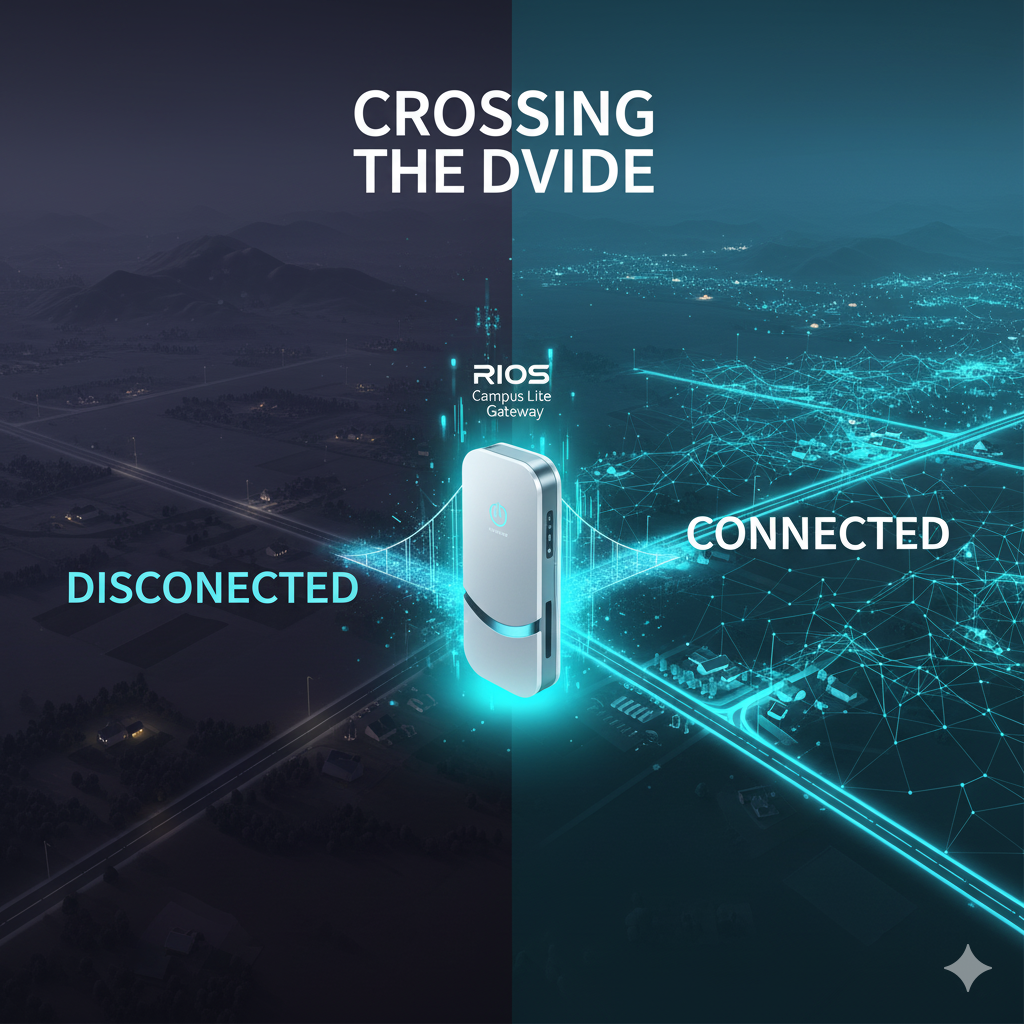
The RIOS Campus Lite is a complete, pre-integrated “Community Network in a Box.” It is engineered to do exactly one thing: Bridge the gap between digital dependence and digital sovereignty.

We took the massive, fault-tolerant architecture of our Enterprise system and condensed it into a single, palletized project that you can deploy in days, not years. It provides the same military-grade encryption, the same self-healing mesh technology, and the same philosophy of ownership—scaled down to fit a Main Street budget.
The Problem: The “Empty Pipes” Trap

Most small communities make a fatal mistake when they try to upgrade their tech. They spend all their money on “pipes”—fiber lines or towers—but they remain dependent on external providers to fill those pipes with data and value. They build the road, but someone else owns the cars.

The RIOS Campus Lite flips this model on its head.

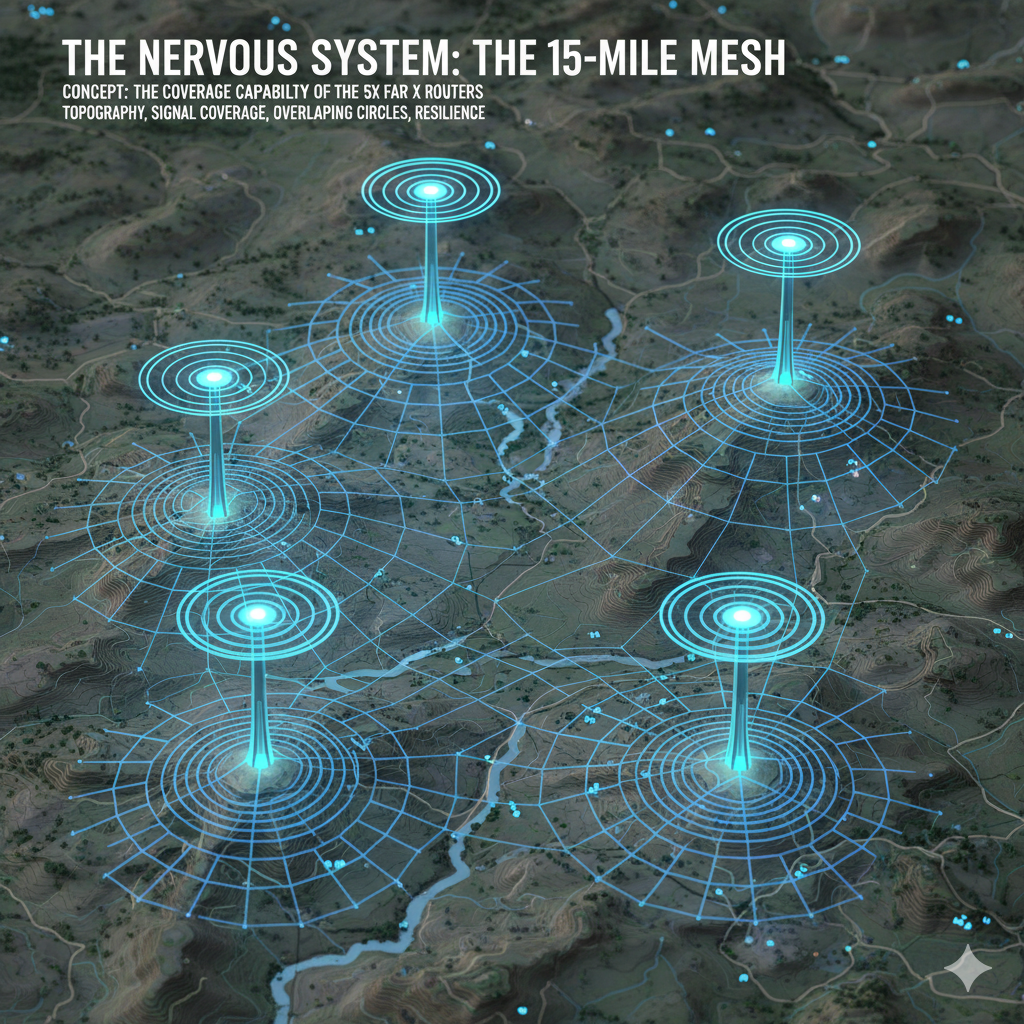
We don’t just give you connectivity (though we do give you a robust, 15-mile wide mesh network). We give you an Economic Engine.

Included in the kit are five RIOS Link Pro Nodes. These aren’t just Wi-Fi routers; they are edge computing servers. While they provide internet to your library or town square, they are simultaneously running DePIN (Decentralized Physical Infrastructure Network) protocols. They are processing data, validating transactions, and hosting local apps.

They are generating value. They are turning your cost center into a revenue center.

The Philosophy: Crawl, Walk, Run
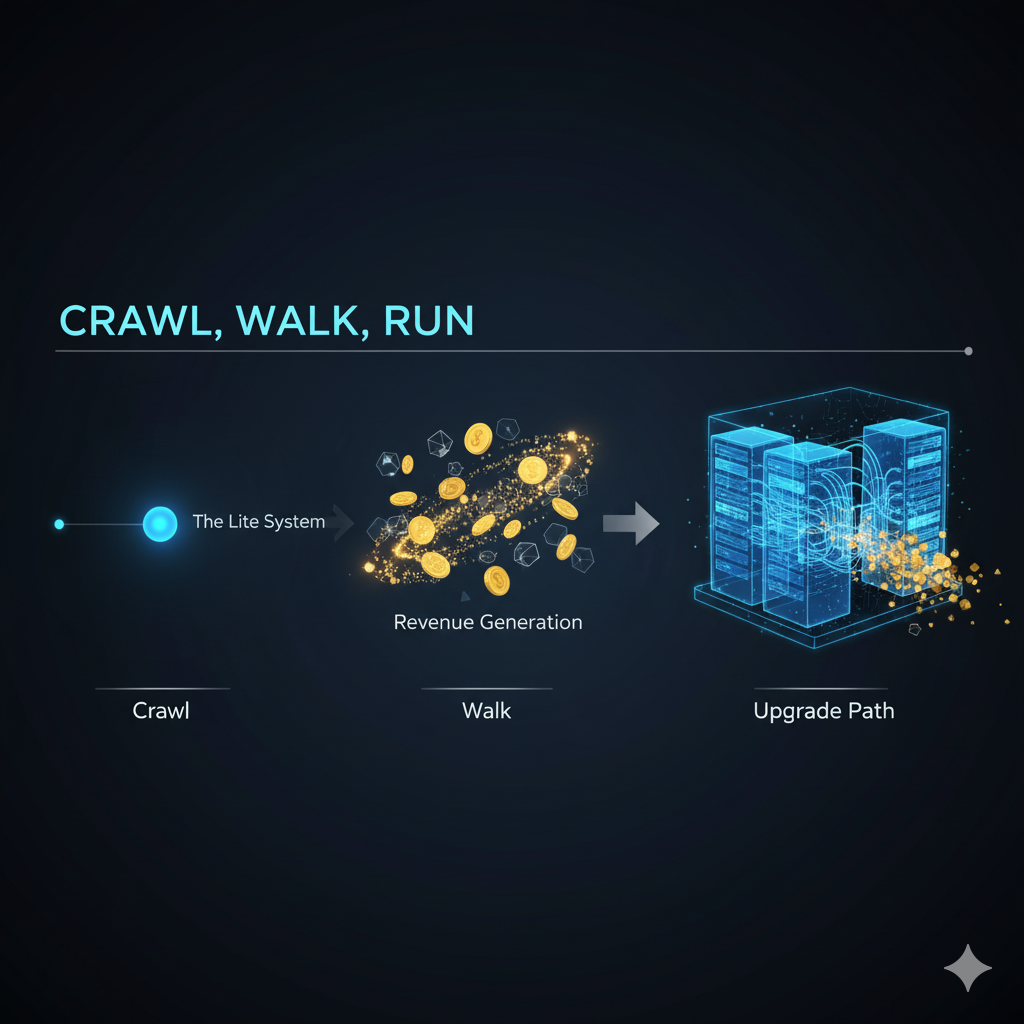
We designed the Campus Lite around a specific economic roadmap we call “Crawl, Walk, Run.”

  1. Crawl (Deploy): You buy the pallet. You deploy the 5 mesh routers and the headend. Boom—your community is connected with a resilient, self-owned network.
  2. Walk (Generate): Those Link Pro Nodes start humming. They contribute to the Data Flywheel. The network attracts local businesses who want secure, local hosting. The system begins to prove its value.
  3. Run (Scale): You take the revenue generated by the Lite system and you reinvest it. Eventually, you upgrade to the full RIOS Campus Enterprise. You buy the heavy compute racks. You declare total independence.

The Campus Lite is the seed. The Enterprise is the tree.

What’s on the Pallet? (The Unboxing)
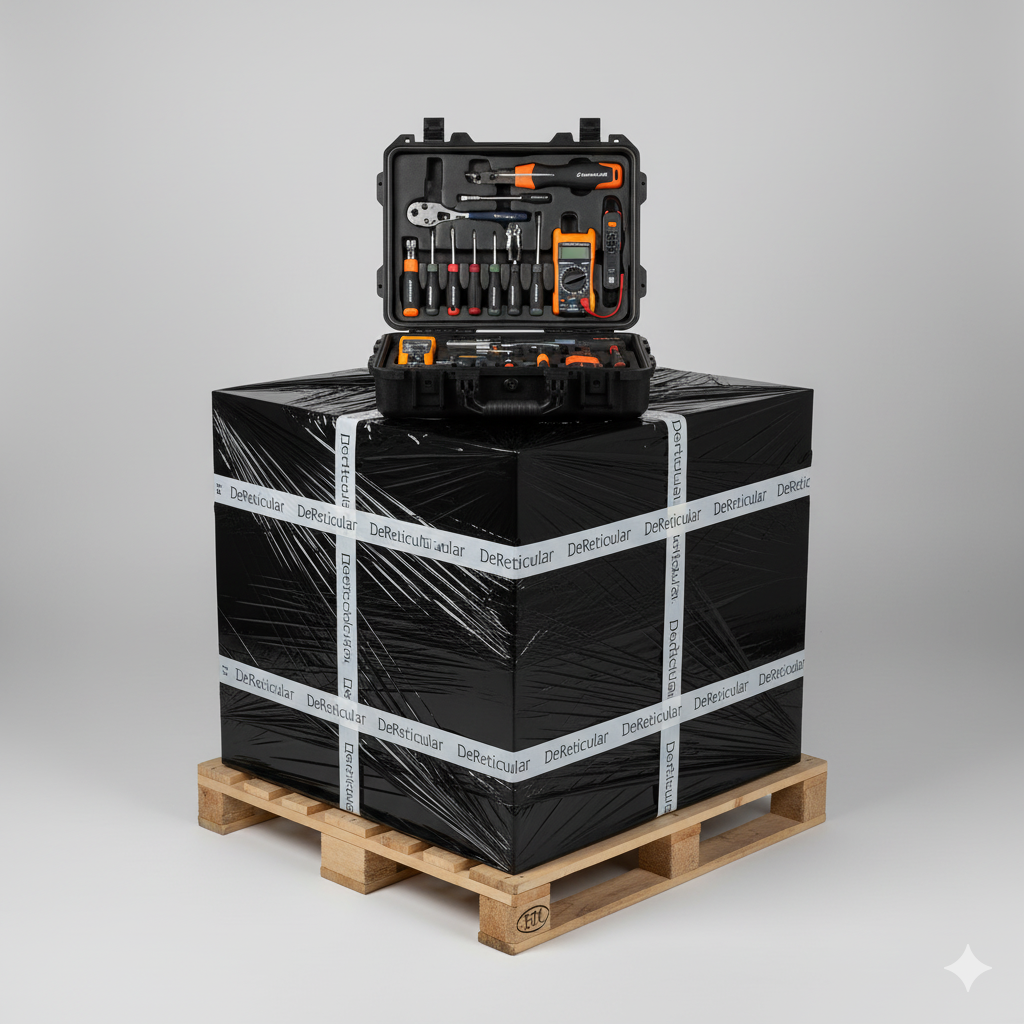
We realized that half the battle in rural or remote deployment is logistics. Sourcing a switch from Vendor A, a router from Vendor B, and a UPS from Vendor C is a nightmare.

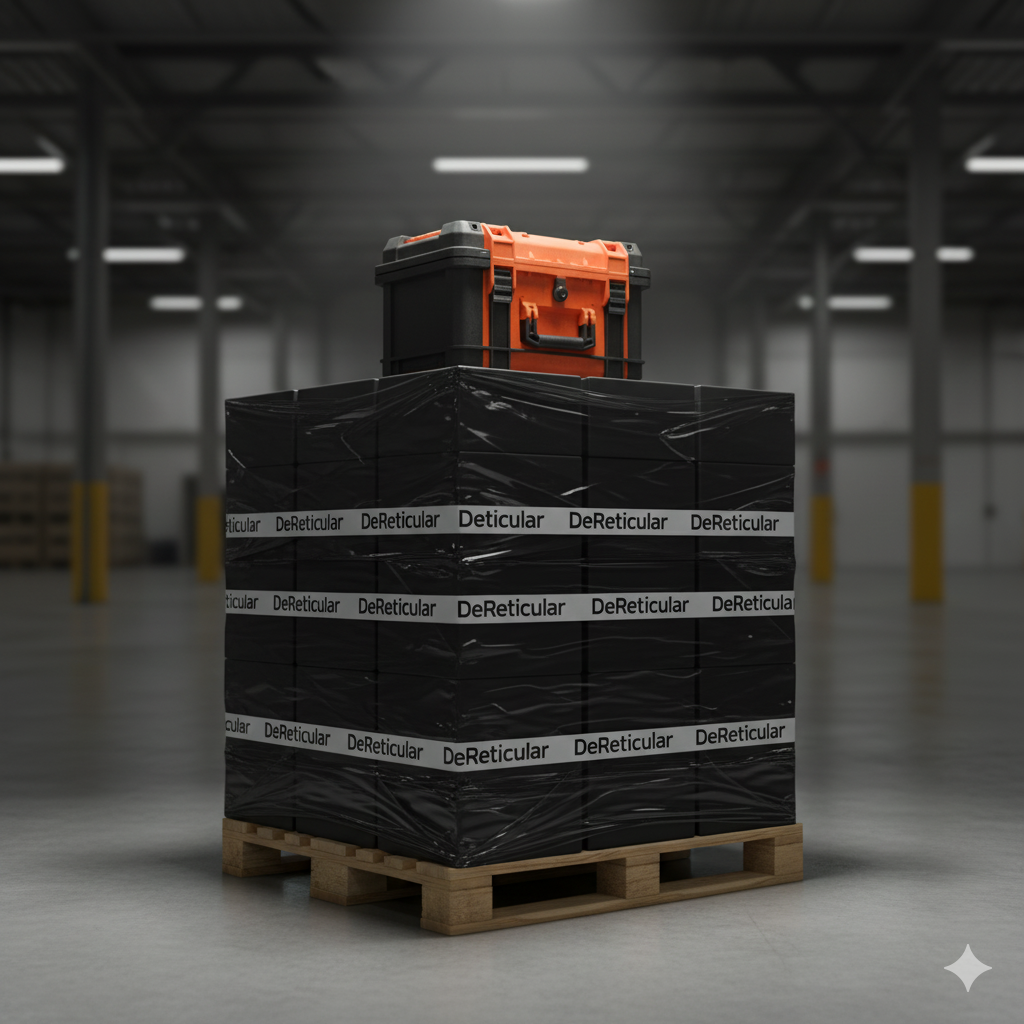
So, we did the work for you. The RIOS Campus Lite arrives as a single, black-shrink-wrapped 48×40 pallet. It is a “Project in a Box.”

The Brain (The Headend):
A pre-configured rack stack containing a RIOS SD-WAN Gateway, a 24-Port 10G Switch, and a Power Core UPS. We’ve already flashed the firmware. We’ve already configured the VLANs. You just plug it in.
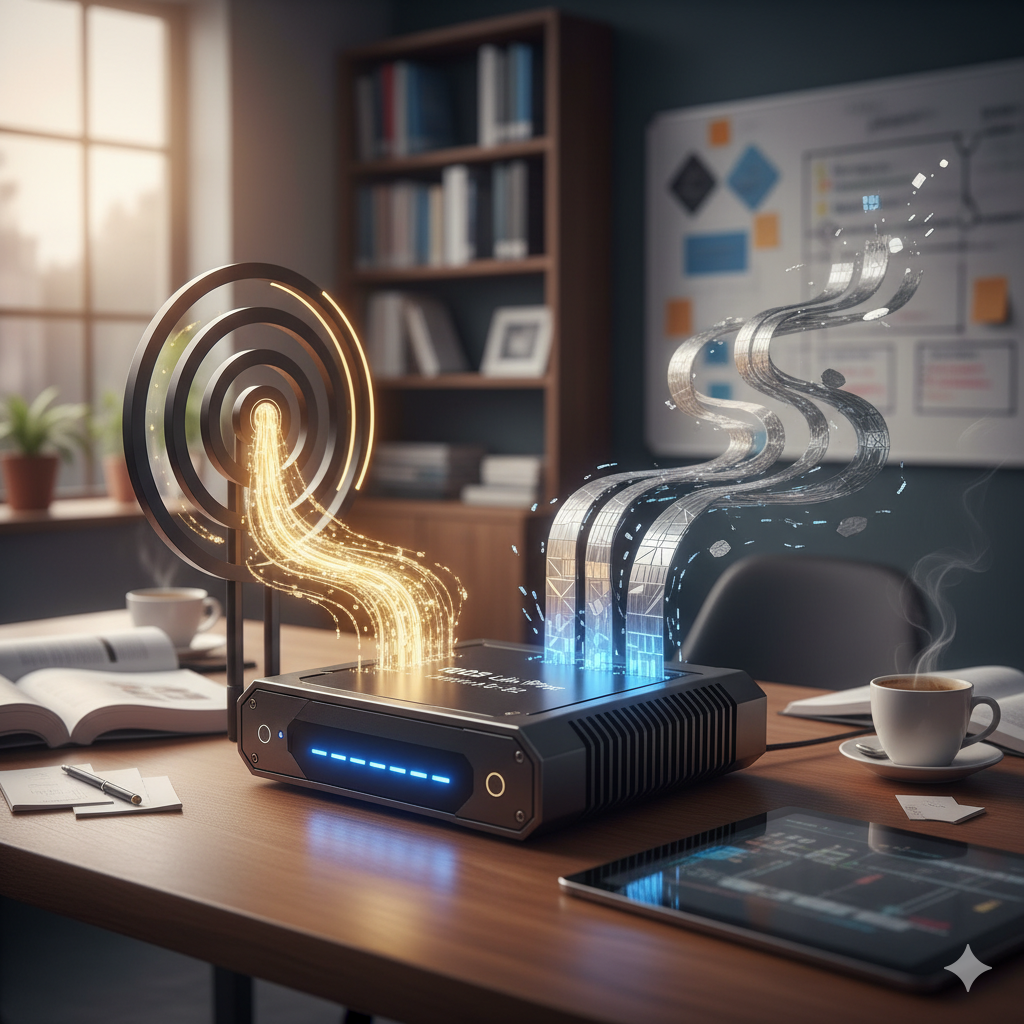
The Nervous System (The Mesh):
Five Trifi RIOS Far X Routers. These are rugged, outdoor-rated beasts. Mount them on water towers, grain silos, or rooftops. They talk to each other, creating a self-healing bubble of connectivity that covers a 15-mile diameter.

The Assurance (The Tool Kit):
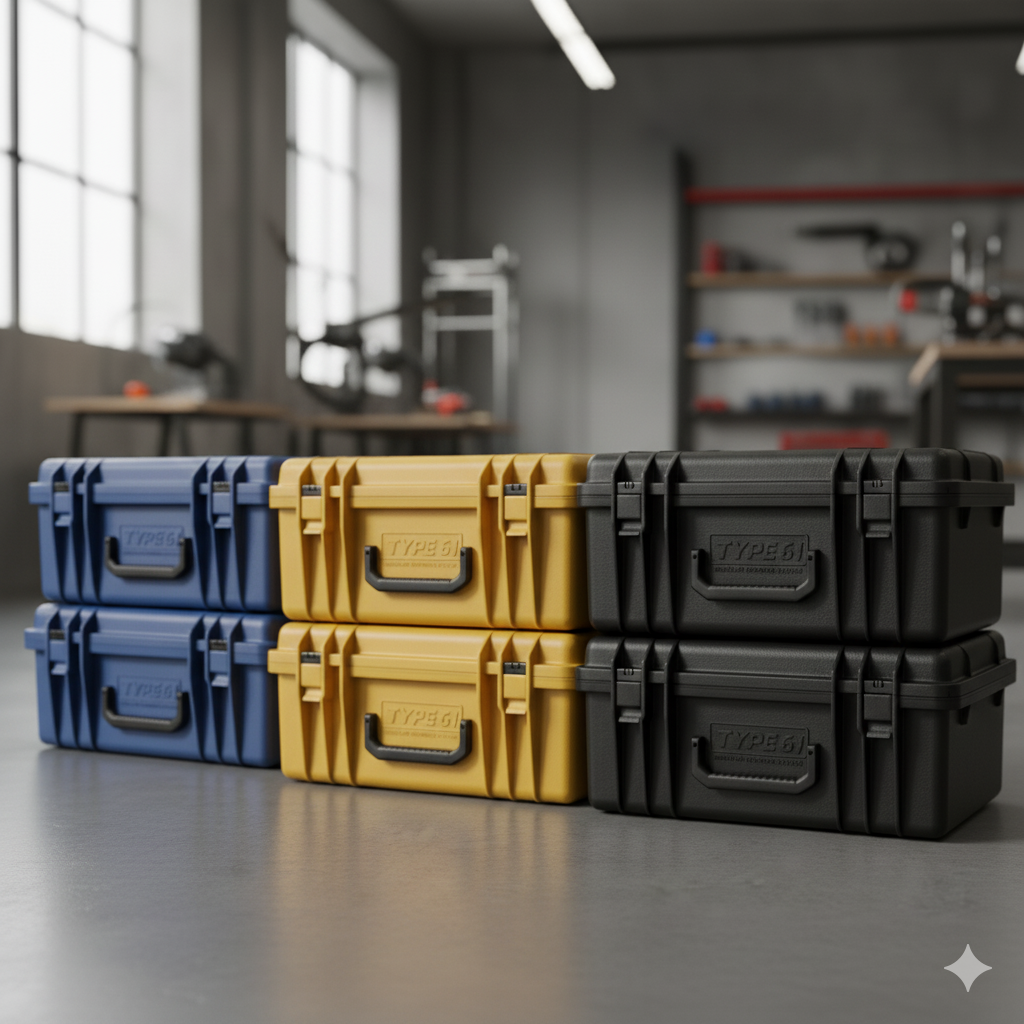
This is our favorite part. We know that local installers might not have specialized gear. So, every Campus Lite includes the Professional Installation Kit. It’s a rugged hard case containing digital cable testers, fiber terminators, crimpers, and 1,000 feet of shielded cable. We don’t just sell you the car; we give you the mechanic’s tool chest.

The Cost of Sovereignty

Transparency is part of our ethos. We don’t hide behind “Call for Pricing” forms for this SKU.

The RIOS Campus Lite has a budgetary price of $125,000 USD.

Yes, that is a significant investment. But compare it to the cost of digging trenches for fiber (often $30,000 per mile) or the cost of remaining in the digital dark ages.

For that price, you get the hardware, the software, the tools, and the pre-configuration labor. You also enter into a partnership with DeReticular via our mandatory support contract, ensuring that our NOC (Network Operations Center) is watching your back 24/7/365.

https://dereticular.com/product/rios-campus-lite-platform/

Stop Waiting for a Savior

The cavalry isn’t coming. The big telecom providers aren’t interested in your town unless they can extract maximum profit with minimum effort.

The RIOS Campus Lite is your invitation to stop being a user and start being an architect. It is the shovel-ready solution for the mayor who wants to leave a legacy, the HOA that wants privacy, or the pilot program that needs to prove it can work.

It’s time to plant the seed.


[EXPLORE THE CAMPUS LITE] | [CONTACT A SOLUTIONS ARCHITECT]

The Mandate for Absolute Resilience: Why It’s Time to Stop Renting Your Civilization and Start Building It

Michael Noel · December 2, 2025 ·

Here is a long-form article tailored for the DeReticular website. It blends the high-stakes technical details of the RIOS Campus Enterprise Platform with the engaging, philosophy-driven narrative of the DeReticular brand.


The Mandate for Absolute Resilience: Why It’s Time to Stop Renting Your Civilization and Start Building It

By The DeReticular Team

The modern world is a miracle of convenience. You flip a switch, and light floods the room. You tap a screen, and data flows from a server farm three continents away. You flush a toilet, and the problem goes “away.”

But for those of us who operate in the real world—the world of mission-critical logistics, national defense, and sovereign industry—we know a dirty little secret:

Convenience is fragile.

The grid is old. The supply chain is brittle. And “The Cloud”? That’s just a marketing term for “someone else’s computer” that you can’t physically access when the fiber line gets cut.

For standard businesses, a blackout is a nuisance. For a Forward Operating Base, a Tier-1 Data Enclave, or a Sovereign Smart City, a blackout is a catastrophe.

At DeReticular, we stopped asking, “How do we connect to the grid?” and started asking, “How do we become the grid?”

Enter the RIOS Campus Enterprise Platform.


The Shift: From User to Architect

Most infrastructure solutions today are designed to make you a better User. They sell you a better backup generator (that still needs diesel deliveries) or a faster connection to AWS (that still needs a local ISP).

The RIOS Campus Enterprise is designed to make you an Architect.

It is a bespoke, turn-key infrastructure ecosystem. It takes the revolutionary principles of the Rural Infrastructure Operating System (RIOS) and scales them up to an industrial, fault-tolerant level.

We don’t send you a box. We build you a civilization node.

The Beast in the Deployment Crate: What is it?

The RIOS Campus Enterprise (SKU: RIOS-CAMP-ENT-CUSTOM) is an N+1 redundant, closed-loop ecosystem. It combines power generation, autonomous computing, and multi-layered connectivity into a single stack that you own, control, and operate.

It is designed for the “High-Stakes Edge”—places where downtime is not an option.

Let’s tear down the siloed walls of traditional IT and look at the three pillars of this platform.


Pillar 1: The Heart (Infinite Power)

Solar panels are great, until it’s night. Batteries are great, until they run dry. To run a sovereign campus, you need Baseload Power—power that runs 24/7/365, regardless of the weather.

We partnered with Agra Dot Energy to solve this.

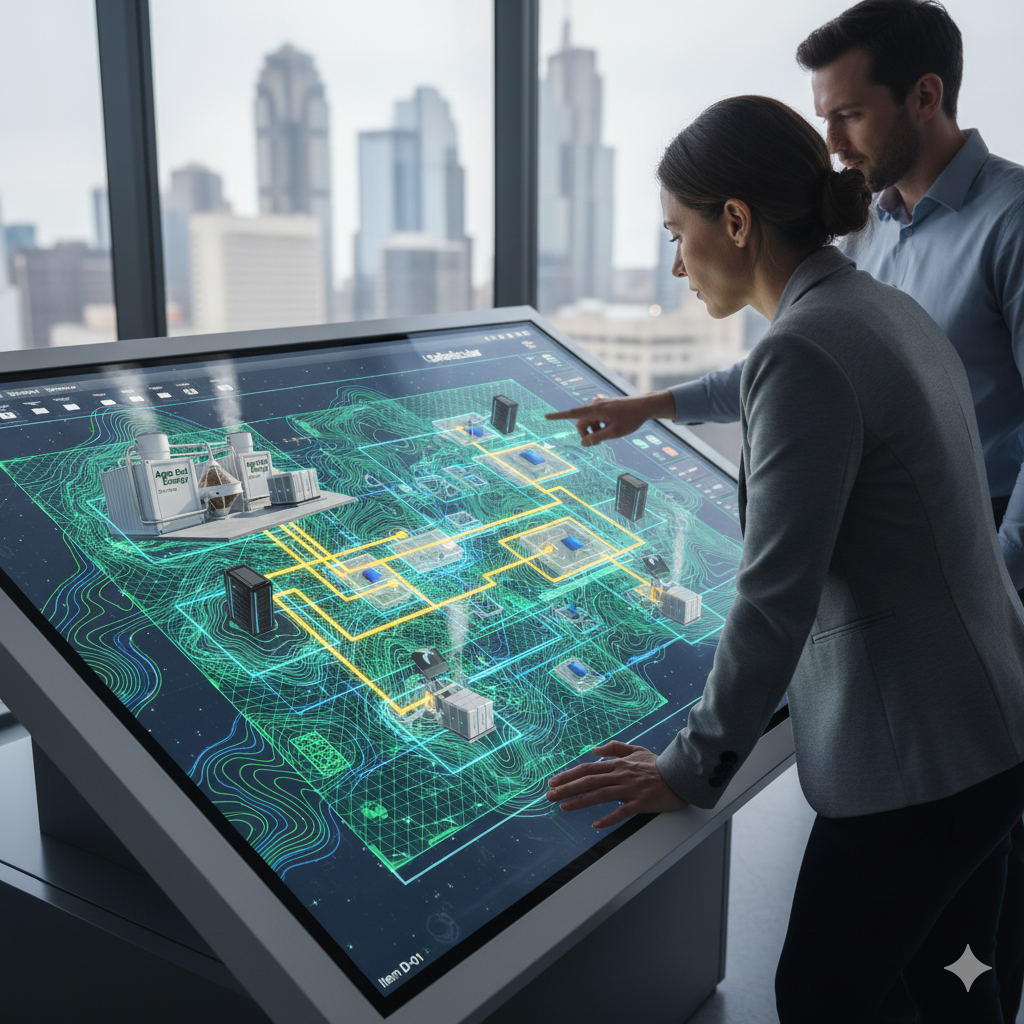
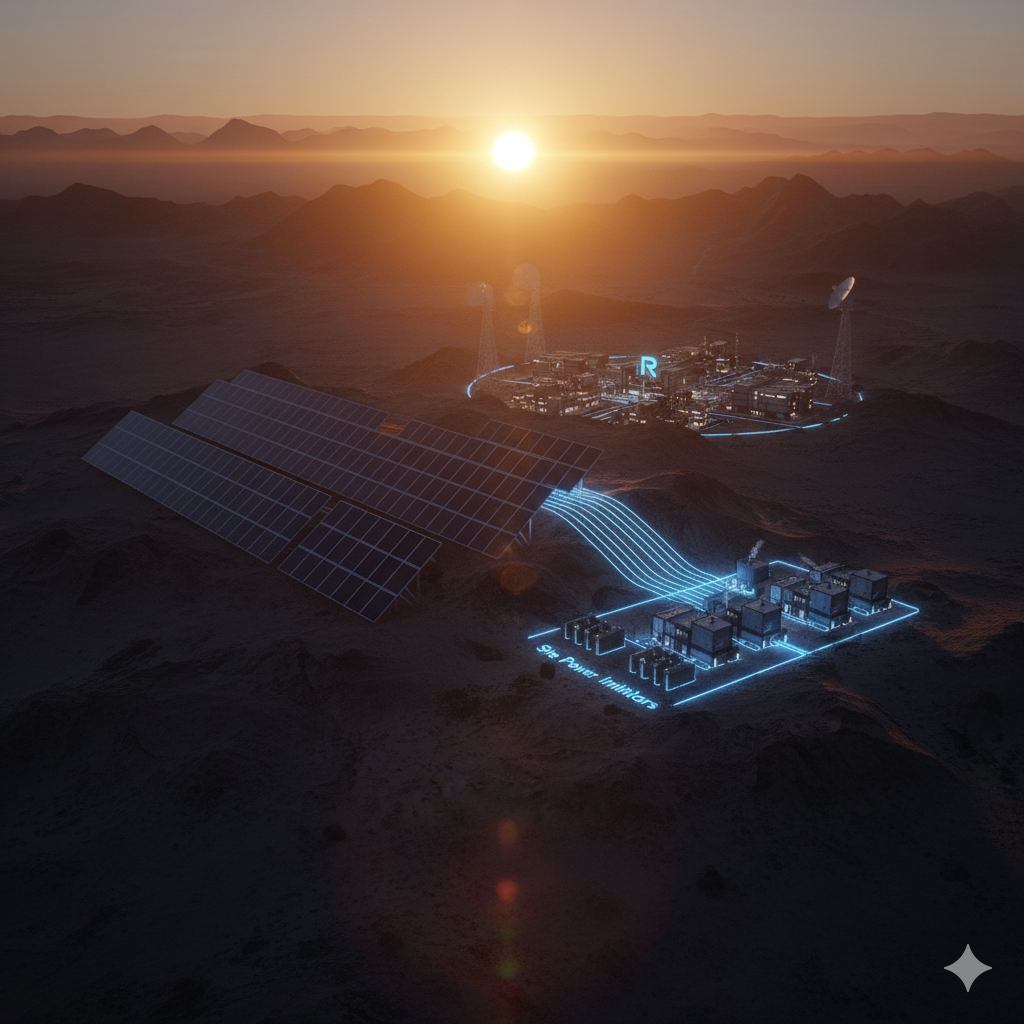
The Enterprise platform doesn’t just plug into the wall; it brings the power plant to you. The baseline configuration includes two Agra Dot SPS-500kW systems. These aren’t your grandfather’s diesel gensets. They utilize advanced Waste-to-Energy (WTE) technology, including micro-GTL (Gas-to-Liquid) and plasma gasification.

They eat trash—local biomass, agricultural waste, or municipal refuse—and turn it into clean, continuous electricity.

  • The Redundancy: N+1 design. If one system goes offline for maintenance, the other carries the full load.
  • The Backup: A massive 1MW / 2MWh Sovereign Reserve battery system smoothes out the load.
  • The Result: You can disconnect from the national grid (Island Mode) indefinitely.

Pillar 2: The Brain (The Sovereign Cloud)

If your internet cuts out, does your AI stop working? If the answer is “yes,” you aren’t sovereign.

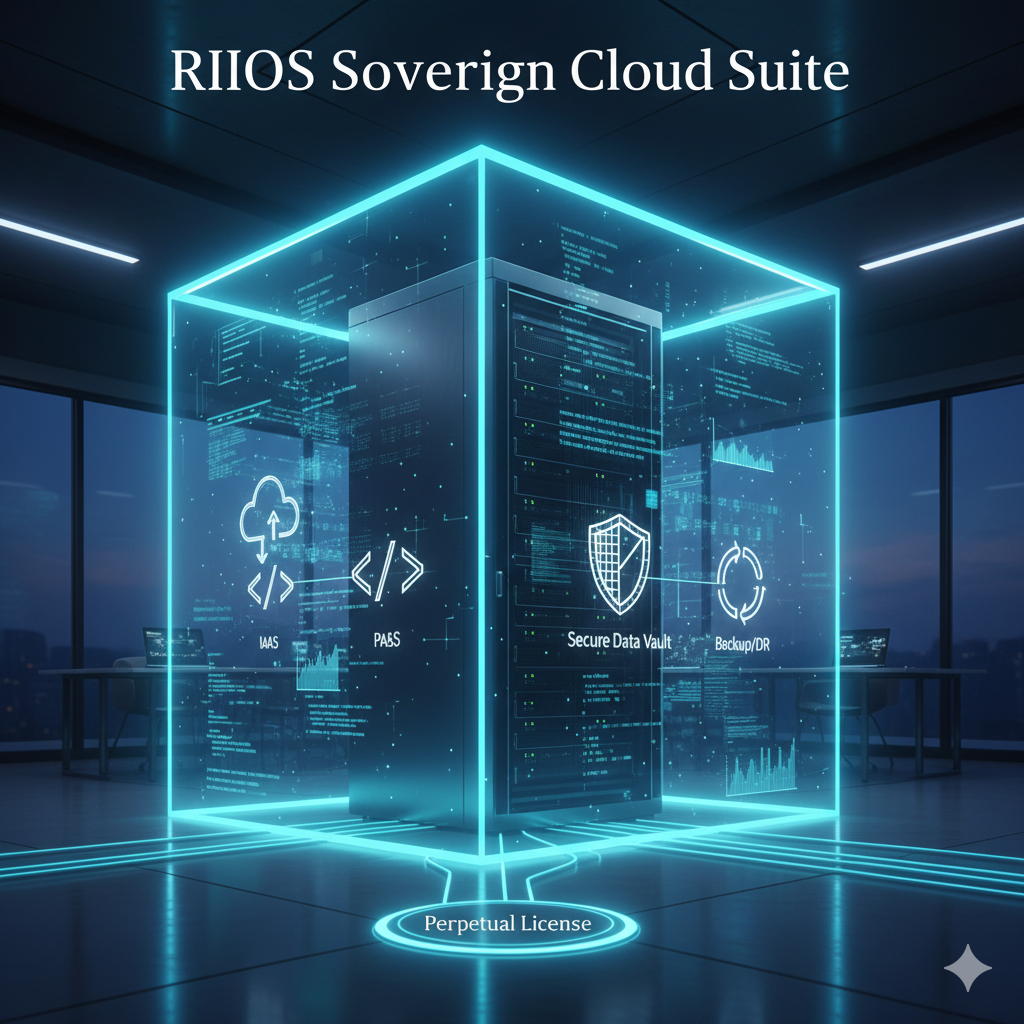
The RIOS Campus Enterprise includes two independent RIOS-CC-1000 Core Compute Clusters. These are 42U racks packed with high-performance compute silicon, running our Sovereign Cloud Suite.

This allows you to run complex AI inference, host your own ERP systems, and manage your autonomous logistics fleets (like Kurb Kars) entirely on-premise.

These two racks talk to each other via a 200GbE+ Cluster Interconnect Fabric. If Rack A suffers a catastrophic failure, Rack B picks up the workload instantly. Zero downtime. Zero data loss. Zero phone calls to a support center in a different time zone.

Pillar 3: The Nervous System (Unbreakable Connectivity)

In a hostile environment, communication is life. We don’t rely on a single fiber line that can be severed by a backhoe (or a bad actor).

We look up.

The platform utilizes a Multi-Provider Satellite Backhaul, bonding together high-performance Starlink Business Kits with other LEO providers. Our High-Availability SD-WAN Gateway balances the load, giving you fiber-like speeds anywhere on the planet.

Locally, the campus is blanketed in a Private 5G/LTE Bubble. This isn’t Wi-Fi; it’s a carrier-grade cellular network that you own. It provides the ultra-low latency required for autonomous robotics and security sensors to communicate without interference.


The “White-Glove” Fulfillment

You might be wondering, “How do I buy this? Do I add it to my cart?”

Not exactly.

The RIOS Campus Enterprise is a project, not a purchase. With a starting budgetary price of ~$5,000,000 USD, this is a strategic capital expenditure.

The fulfillment process is a consultative journey:

  1. The Design Study: Our engineers map your terrain, your energy needs, and your threat model.
  2. The Build: We fabricate your modules.
  3. The Deployment: We manage the civil works, the shipping, and the installation.
  4. The Handover: We don’t leave until the system is humming. Plus, you get a 3-year support contract with a dedicated Technical Account Manager and 24/7 monitoring from our NOC.

The Choice

The world is changing. The era of centralized stability is ending. The future belongs to the decentralized, the resilient, and the sovereign.

The RIOS Campus Enterprise is for the leaders who refuse to leave their operational continuity to chance. It is for the Architects.

https://dereticular.com/product/rios-campus-enterprise-platform/

Are you ready to break the dependency loop?


[Button: Request a Confidential Consultation]

From Cloud Castles to Sovereign Soil: The Genesis of RIOS from the WAMNET Dream

Michael Noel · December 1, 2025 ·

By DeReticular Editorial Team Michael Noel and Remnant

In the history of every great technology, there is a moment where the “perfect theory” crashes headfirst into the messy, beautiful, and unforgiving reality of the physical world. For DeReticular, that moment is the story of how WAMNET—a visionary concept of a Wireless, Autonomous, Massive Network—evolved into RIOS, the Rural Infrastructure Operating System that is currently rewriting the rules of connectivity in the world’s hardest-to-reach places.

If you have followed the work of our founder, Michael Noel, or read Tokenomics is not Economics, you know the theory. But you might not know the journey. This is the story of how we took a blueprint for a digital utopia and forged it into a tool for survival.

The Dream: WAMNET (Wireless, Autonomous, Massive Network)

Before there were solar-powered server racks or ruggedized IoT gateways, there was just an idea. It was called WAMNET.[1]

In the early days of our research, WAMNET was the North Star. The acronym stood for Wireless, Autonomous, Massive Network, and it represented the ultimate goal of decentralized engineering.

  • Wireless: A mesh so dense it felt like air.
  • Autonomous: A network that healed itself, routed itself, and paid for itself without human intervention.
  • Massive: A grid that didn’t just cover a town, but blanketed the horizon.

WAMNET was a theoretical masterpiece. It was born from the study of “tokenomics” and distributed ledger technology. It hypothesized that if you aligned the economic incentives correctly, a network could grow organically, like a coral reef, rather than being built top-down like a skyscraper. In the WAMNET concept, every node was a soldier, every connection a transaction, and the “network” was a living organism that required zero maintenance.

It was brilliant. It was revolutionary. And, as we discovered when we stepped into the mud of a rural cornfield, it was incomplete.

The Reality Check: When Theory Meets the Mud

WAMNET was the architecture of the sky—perfect logic floating in the cloud. But people don’t live in the cloud. They live in the dirt. They live in valleys where the sun doesn’t shine for three days straight. They live in towns where “autonomous” doesn’t mean “smart code,” it means “nobody is coming to fix it if it breaks.”

When DeReticular moved from the whiteboard to the field, we realized that a “Wireless, Autonomous, Massive Network” couldn’t exist without a physical body. You can’t have a wireless network if you don’t have power. You can’t have an autonomous system if the hardware melts in the heat. And you can’t have a “massive” scale if the local community doesn’t own, understand, or trust the technology.

We realized that WAMNET was the ghost, but we needed to build the machine.

The Solution: RIOS (Rural Infrastructure Operating System)[2][3]

This realization birthed RIOS.

If WAMNET was the theoretical destination, RIOS is the vehicle we built to get there. RIOS stands for Rural Infrastructure Operating System.[2][3] Note the shift in language. We stopped talking about just a “Network” and started talking about an “Operating System.”

Why? Because a network just moves data. An operating system manages resources.

RIOS is not just about signal bars on a phone. It is a vertically integrated Sovereign Stack that combines energy, computation, and connectivity into a single, breathing entity. It takes the high-minded ideals of WAMNET and encases them in industrial-grade steel.

The Great Evolution: WAMNET vs. RIOS

To understand where we are going, it helps to see how the concepts matured.

1. From “Autonomous” to “Sovereign”

  • WAMNET focused on autonomy—machines making decisions.
  • RIOS focuses on sovereignty—communities making decisions.
    While RIOS utilizes AI (like the Nightingale IoT gateway) to automate the hard stuff, the ultimate goal isn’t to remove humans; it’s to empower them. Through the DeReticular Academy, we train local “Architects” to own the stack. We realized that true resilience doesn’t come from a smart algorithm; it comes from a local technician who knows how to replace a fuse.

2. From “Massive” to “Modular”

  • WAMNET envisioned a massive, endless mesh.
  • RIOS builds distinct, defensible Campuses.
    Instead of trying to boil the ocean, RIOS focuses on creating “islands of competence.” The RIOS Campus is a fortress of connectivity and compute power. It creates a local gravity well of economic activity. We found that it is better to have ten fully sovereign, high-power campuses than a thousand weak, scattered sensors.

3. From “Tokenomics” to “The Data Flywheel”

  • WAMNET relied on theoretical token incentives.
  • RIOS runs on the Data Flywheel.
    We swapped the theory for hard economics. The RIOS Compute Cluster (the “heart” of the campus) doesn’t just mine arbitrary tokens; it performs high-value compute work (AI training, rendering, data processing) for the global market. This brings fiat revenue into the community, which funds the power and the connectivity. It’s not a speculative economy; it’s a service economy.

The RIOS Ecosystem: WAMNET Incarnate

Today, the spirit of WAMNET lives inside the hardware of RIOS.

  • The Brain: The RIOS Compute Cluster is the “Autonomous” engine we dreamed of, generating revenue while the town sleeps.
  • The Nervous System: The Nightingale IoT Gateway listens to the physical world—bridges, soil, pipelines—fulfilling the “Massive” sensory promise of the original vision.
  • The Body: The RIOS Mobile units extend the network to the edge, creating that “Wireless” mesh that follows you where you go.

Conclusion: The Era of the Architect

WAMNET was a necessary dream. It broke our minds free from the limitations of centralized telecom thinking. It taught us that the future of infrastructure must be distributed and intelligent.

But RIOS is the waking reality. It is the muddy boots, the humming servers, and the lit-up storefronts in a town that the rest of the world forgot. We moved from WAMNET to RIOS because we stopped trying to build a network that could think, and started building an operating system that could live.

The theory is over. The build has begun.

Welcome to the Sovereign Stack.


Read more about the technical specifications of the RIOS Campus and the Nightingale Gateway in our latest White Papers at dereticular.com.

Sourceshelp

  1. un.org
  2. dereticular.com
  3. dereticular.com

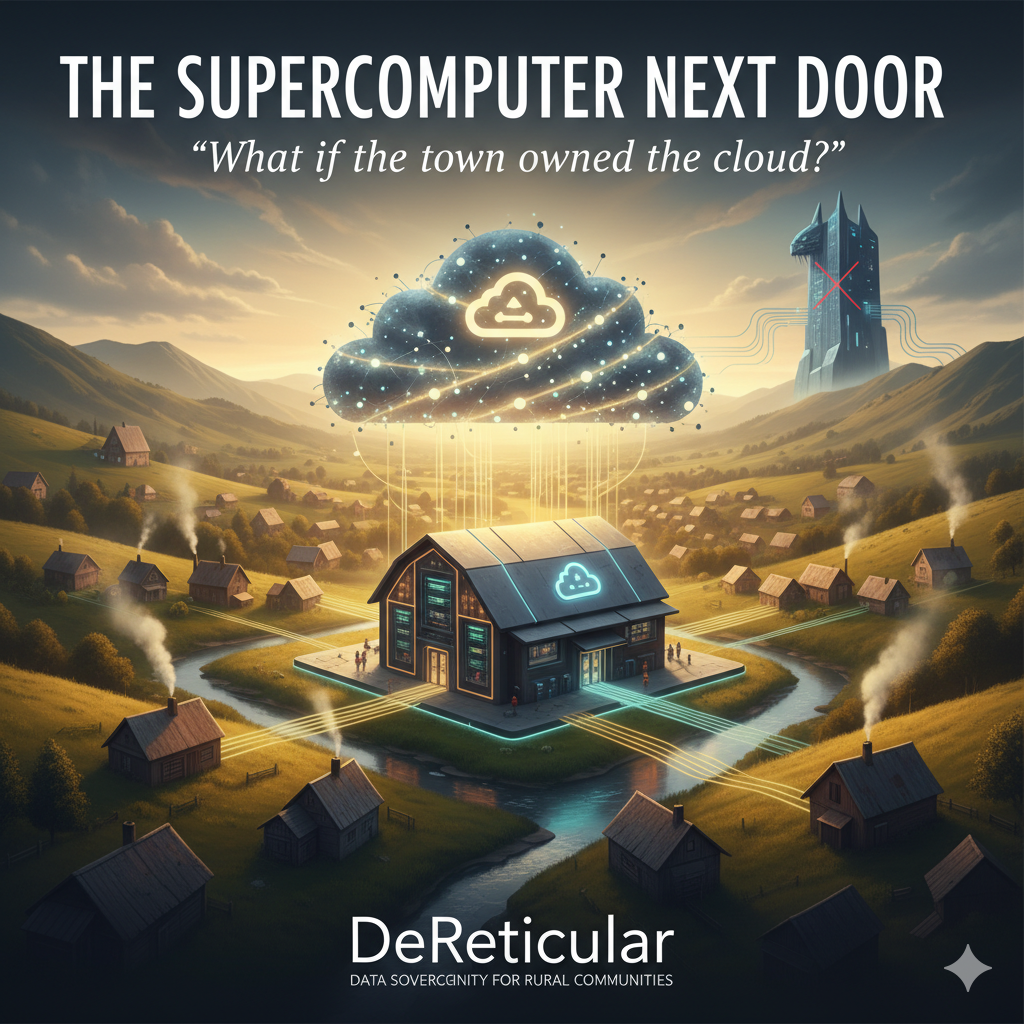
The Supercomputer Next Door.

Michael Noel · November 30, 2025 ·


Here is a long-form article tailored for the DeReticular website. It balances high-tech specification with the brand’s signature philosophy of economic sovereignty and community empowerment.


Why we tore apart the Data Center to build the RIOS-Campus Compute-1000.

By The DeReticular Team


For the last twenty years, the technology industry has been obsessed with centralization.

They told us to move everything to “The Cloud.” It sounded nice—fluffy, ethereal, floating above us. But we know the truth. The Cloud isn’t a cloud at all. It is a series of concrete fortresses in Northern Virginia and Silicon Valley, owned by three massive corporations, consuming enough electricity to power small nations.

When a rural community sends its data to the Cloud, they are engaging in modern-day digital sharecropping. You export your raw resource (data/money), they process it, and they sell it back to you as a service. The value leaves town and never comes back.

At DeReticular, we asked a dangerous question: What if the town owned the cloud?

And not just a few servers in a closet. What if a rural municipality owned a legitimate, Exascale-class Supercomputer?

Enter the RIOS-Campus Compute-1000 (CC-1000).

The Death of the “Fortress” Model

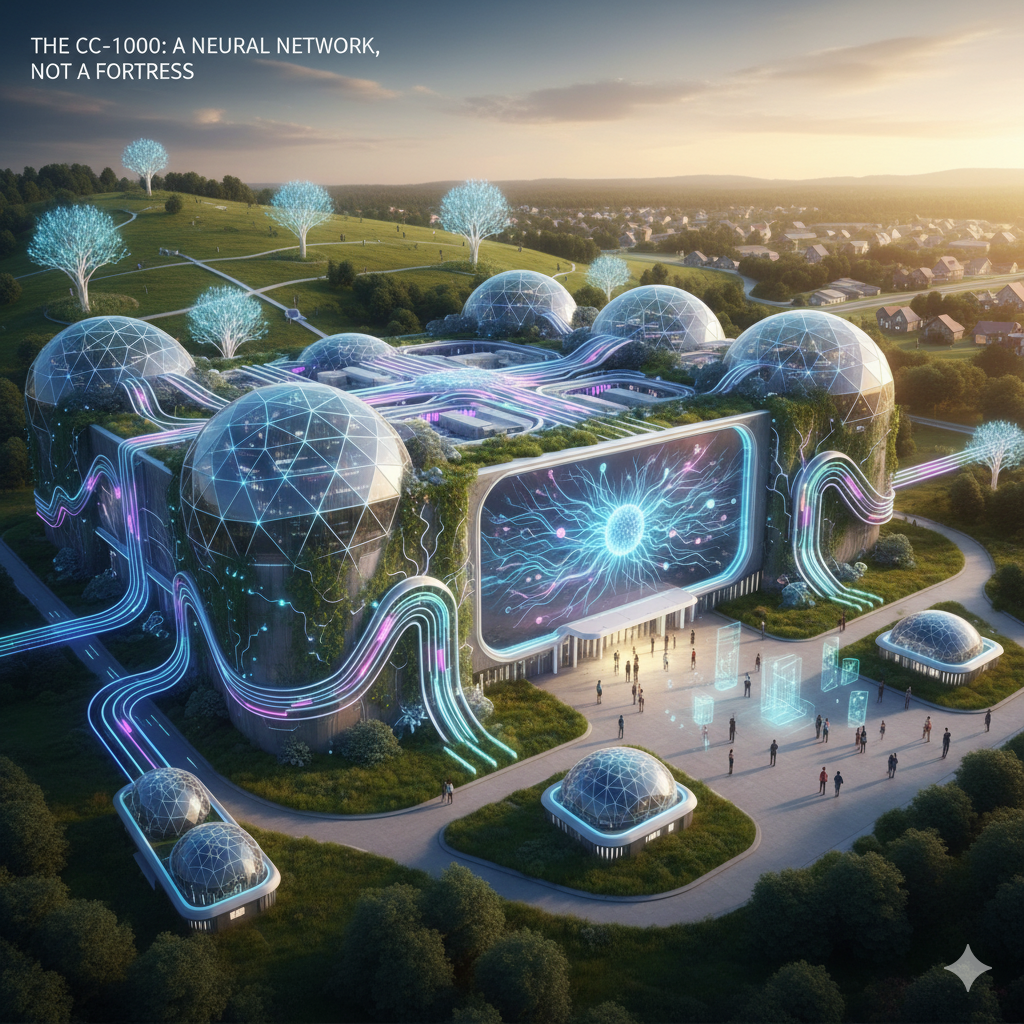
When we designed the CC-1000, we didn’t want to build another fortress. We wanted to build a neural network.

The CC-1000 is a distributed AI supercomputer. It packs the processing power of 1,000 NVIDIA H100 AI Servers—the gold standard of modern artificial intelligence. But instead of locking all 1,000 of them in a dark room where nobody can see them, we exploded the architecture.

We use a “Hub and Spoke” design that weaves the supercomputer into the physical fabric of your community.

1. The Hub: The Liquid Heart

It starts at the source. Located at your power generation site (co-located with the Agra Energy Micro-GTL system), sits the Core Hub.

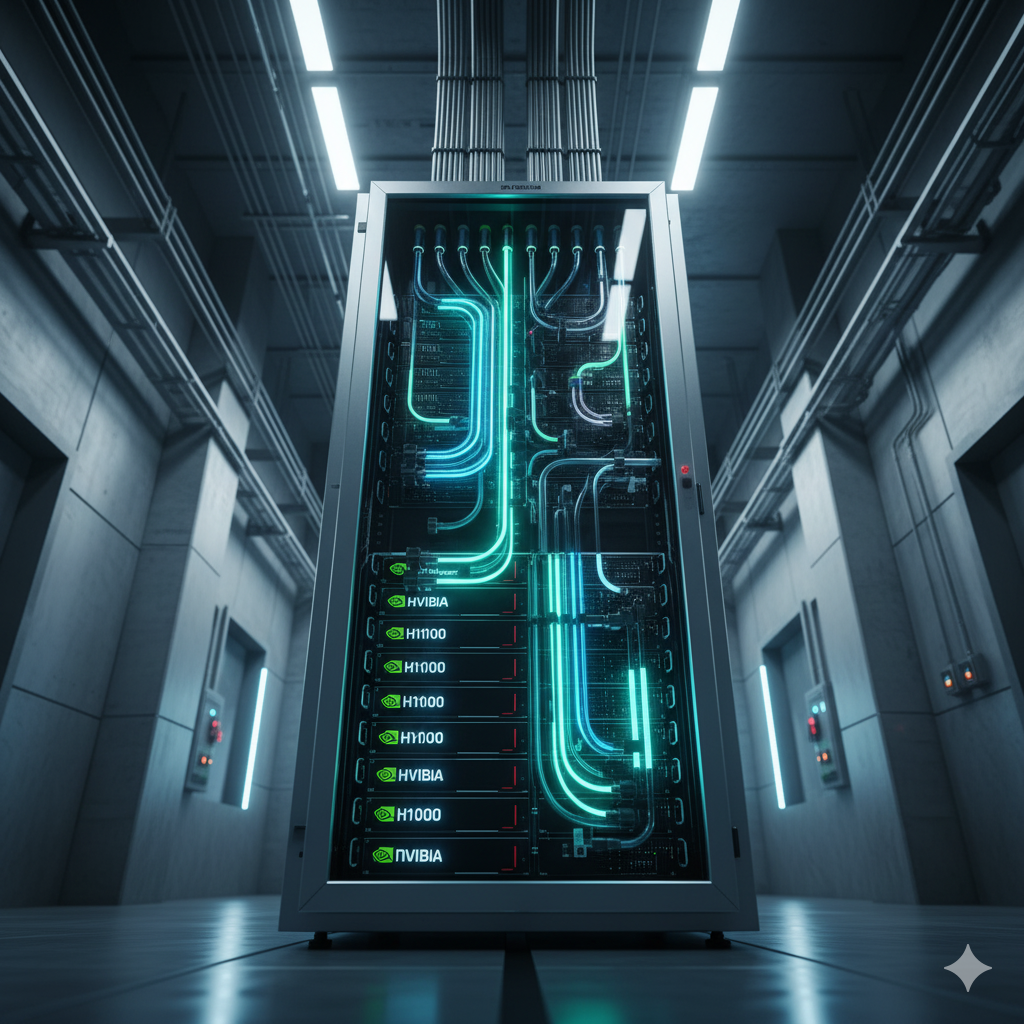
This is the “Heavy Iron.” It is a massive, 42U rack modified for Direct-to-Chip Liquid Cooling. It glows with cyan coolant tubes, humming silently as it dissipates heat that would melt a normal server. This Hub handles the heavy lifting—secure storage (the 1PB Data Vault), network aggregation, and the orchestration logic that keeps the system running.

2. The Spoke: The “Swarm”

Here is where it gets radical. We take the remaining ~960 AI servers and we give them to you.

We deploy these Anchor Nodes to the heartbeat locations of your town:

  • The Public Library: Gets an AI node to help research archival data.
  • The Apartment Complex: Gets five nodes to serve its tenants.
  • The Local Coffee Shop: Gets a node to power its operations.

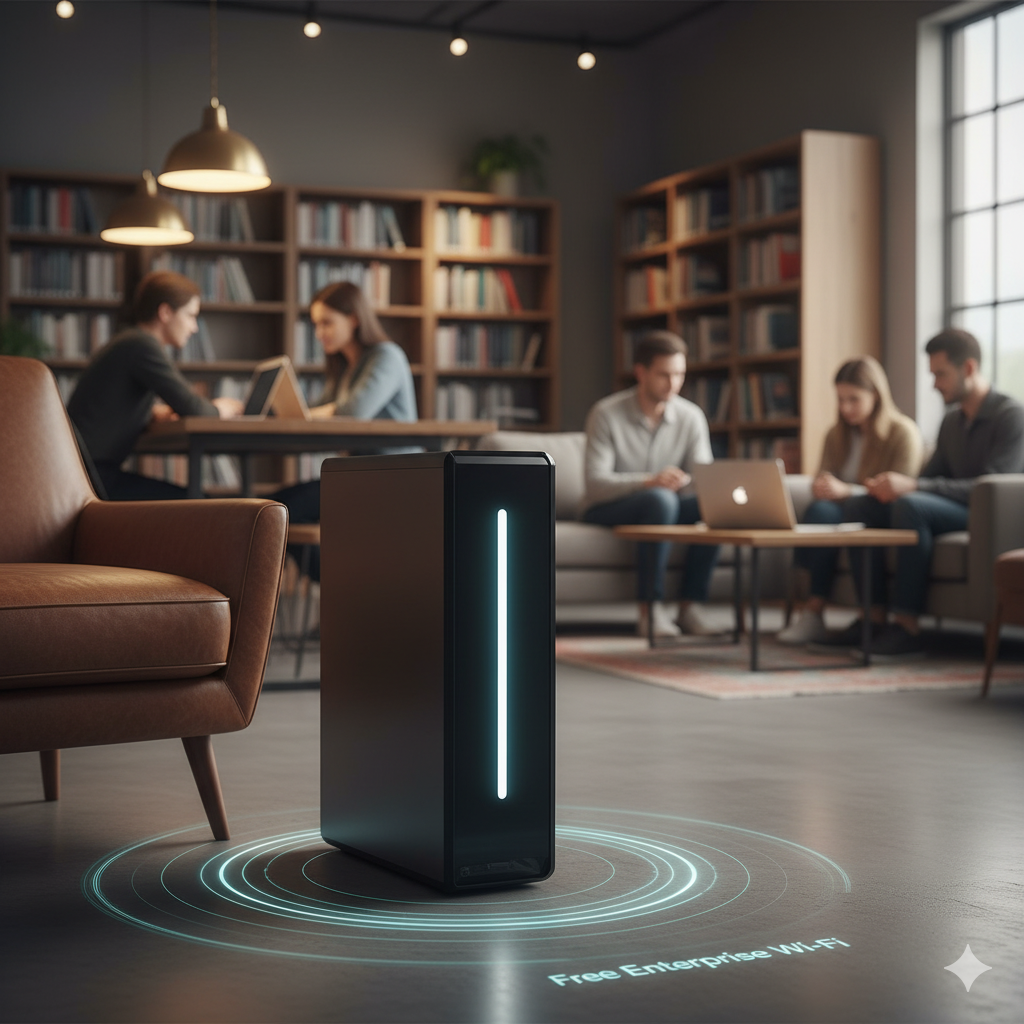
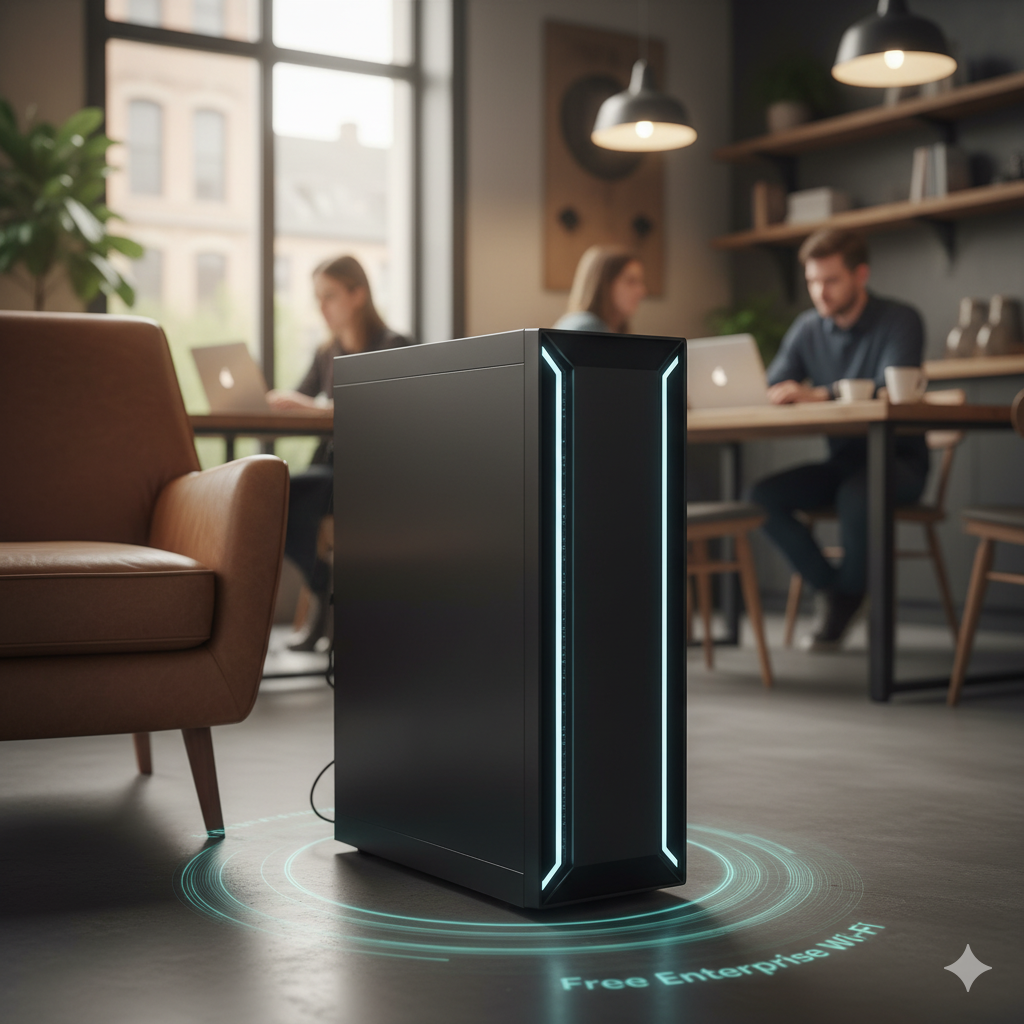
These aren’t loud, industrial boxes. They are the RIOS “Silent Monolith” towers—sleek, sound-dampened workstations that sit in a lobby or an office, looking beautiful while they process trillions of floating-point operations per second.

The “Golden Goose” Logic

“Okay,” you ask. “That sounds expensive. How does a town of 10,000 people afford a $45 million supercomputer?”

The answer is simple: The computer pays for itself.

The global demand for AI training is insatiable. When your local Anchor Nodes aren’t processing local data, they don’t just sit idle. They join the RIOS Compute Grid. They accept jobs from the global market—training LLMs, rendering 3D environments, solving complex protein folds.

This generates revenue. A lot of it.

We call this the “BizBuilder” Model.
Through our financing program, a local business owner or landlord pays $0 down to host a node. The revenue generated by the AI jobs pays off the hardware lease. Once it’s paid off, that revenue stream belongs to the community host.

It is infrastructure that behaves like an asset, not a liability.

Enter: BizBuilder Mike

Technology fails without adoption. You can’t just drop a supercomputer on a small business owner and say, “Good luck.”

That’s why the CC-1000 comes with a human element: BizBuilder Mike.

Mike is the RIOS ecosystem coach. He is part of the package. His job is to work with your local “Anchors”—the coffee shop owner, the pastor, the librarian—and show them how to use this tool.

  • He teaches them how to monitor their “Mining” revenue.
  • He shows them how to use the local AI to analyze their business data.
  • He ensures the “Free Community Wi-Fi” (broadcasted by every Anchor Node) is running smoothly.

Mike isn’t tech support. He is a Local Economic Architect.

Why This Matters

The RIOS-Campus Compute-1000 delivers three things that “The Cloud” never could:

  1. Sovereignty: Your town’s data (medical records, legal documents, security footage) stays in your town, encrypted in the Core Hub’s Data Vault. It never crosses state lines.
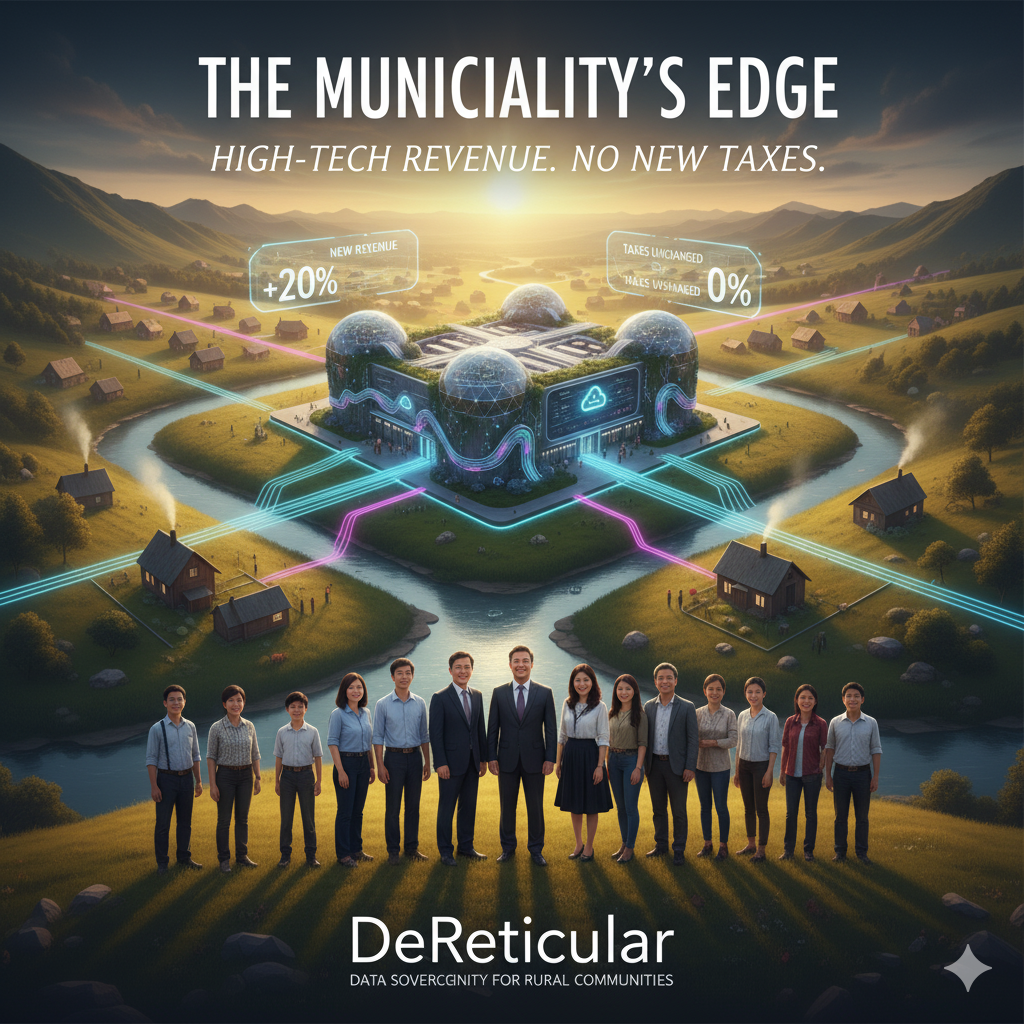
  2. Equity: The revenue generated by the AI revolution is usually captured by Silicon Valley. The CC-1000 captures that revenue for the local library, the local landlord, and the local municipality.
  3. Connectivity: With 1,000 nodes scattered across town, each broadcasting Enterprise Wi-Fi 7, you accidentally created a ubiquitous, free gigabit wireless network for your residents.

The Future is Distributed

We are done with the era of the passive consumer. It is time to become a producer.

https://dereticular.com/product/rios-campus-compute-1000-distributed-ai-supercomputer/

The RIOS-Campus Compute-1000 turns your community into a powerhouse of the AI age. It takes the most advanced silicon on earth, cools it with your local energy, and distributes the profit to your local businesses.

Don’t just watch the future happen on a screen. Build the engine that powers it.


Interested in bringing a RIOS Campus to your municipality? [Contact our Infrastructure Team] to schedule a site architecture review.

Report: RIOS-Campus Compute-1000 Core Compute Cluster

Michael Noel · November 30, 2025 ·


Report: RIOS-Campus Compute-1000 Core Compute Cluster

Classification: DeReticular Strategic Infrastructure
Date: November 30, 2025
Subject: The Distributed Community Supercomputer Architecture


1. Executive Summary: The Community Supercomputer

The RIOS-Campus Compute-1000 (CC-1000) has evolved beyond a single static server rack. It is now a Distributed AI Supercomputer woven directly into the fabric of the municipality.

While it retains a high-density “Central Core,” the system’s true power lies in its decentralized architecture. By distributing 1,000 NVIDIA H100 AI Servers across key community gathering points—Schools, Libraries, Churches, Apartment Offices, and Parks—the CC-1000 transforms the entire town into a living, breathing neural network.

This architecture achieves two goals simultaneously:

  1. Massive Compute Power: Aggregating 1,000 H100 GPUs creates an Exascale-class AI training cluster capable of handling the world’s most demanding workloads.
  2. Hyper-Local Economic Growth: Every node location becomes an “AI Opportunity Zone,” coached by the BizBuilder Mike program to turn connectivity into capital.

2. Architecture: The Hub-and-Spoke Model

The CC-1000 utilizes a “Sovereign Mesh” topology, ensuring that the network becomes stronger as more nodes are added (Network Effect).

A. The “Core” (The Hub)

  • Location: Secure, centralized municipal facility or Co-Op headquarters.
  • Hardware: 42U Liquid-Cooled Rack.
  • Role: Heavy lifting. This high-density cluster handles the orchestration, model training aggregation, and persistent storage (Data Vault) for the entire campus. The direct-to-chip water cooling allows these H100s to run at 100% utilization 24/7 without thermal throttling.

B. The “Community Anchors” (The Spokes)

  • Locations: High-traffic gathering spots including:
    • Public Libraries & Schools: Educational AI labs.
    • Churches & Park Centers: Community connectivity hubs.
    • Apartment Complex Main Offices: Residential edge nodes.
    • State & Municipal Offices: Secure government processing.
  • Hardware: Single or dual-node H100 AI Servers housed in “Silent/Hardened” enclosures.
  • Role: These nodes provide low-latency inference for the specific location while contributing their idle compute cycles back to the central “Cluster Swarm” to generate revenue.

3. Community Enablement: Wi-Fi & Opportunity

DeReticular believes that infrastructure should give back. Every location hosting a CC-1000 Node provides two immediate benefits to the public:

Benefit 1: Free “Sovereign” Wi-Fi

Every Anchor Node broadcasts a high-speed, free Wi-Fi signal to the surrounding area.

  • For the Park: Parents can work remotely while kids play.
  • For the Apartment: Tenants get free, high-speed access, increasing the property value for the landlord.
  • For the Library: Unthrottled access to global research databases.

Benefit 2: AI Enablement

These are not just internet hotspots; they are AI Hotspots.

  • Local data (e.g., traffic patterns at the park, inventory at the school) can be processed on-site instantly.
  • Small businesses nearby can tap into the H100 power for “pennies on the dollar” to run advanced analytics, render marketing materials, or automate customer service.

4. The “BizBuilder Mike” Program: The Human Engine

Technology alone does not create wealth; adoption does. To ensure the CC-1000 generates local economic growth, DeReticular introduces the BizBuilder Mike initiative.

Who is BizBuilder Mike?
“BizBuilder Mike” is the dedicated ecosystem coach and economic architect for the local RIOS Campus. His role is to bridge the gap between high-tech hardware and main street business.

The Coaching Program:

  1. Adoption Strategy: Mike works with local landlords, small business owners, and community leaders to install AI Servers in their unused space.
  2. “Business in a Box”: Mike coaches these hosts on how to turn their server into a business.
    • Example: An apartment owner installs a node. Mike shows them how to monetize the compute (via the RIOS Flywheel) to offset building maintenance costs while offering free Wi-Fi as a tenant perk.
  3. Local Economy Injection: By teaching locals how to “farm” compute yields and sell local cloud services, Mike ensures the revenue generated by the H100s stays in the town, circulating through local shops and families, rather than being exported to Silicon Valley.

5. Strategic Vision: The Network Effect

The RIOS-Campus Compute-1000 is designed to grow organically.

  1. Phase 1 (The Seed): The 42U Core Rack is installed. Revenue begins flowing.
  2. Phase 2 (The Spread): BizBuilder Mike recruits the first 10 Anchor Locations (Library, City Hall). Free Wi-Fi zones appear.
  3. Phase 3 (The Swarm): As small businesses see the success of the Anchors, they adopt their own nodes. The cluster grows to 1,000 H100 Servers.
  4. Result: The community possesses a world-class Supercomputer. The collective revenue creates a self-sustaining economy that pays for the town’s power and connectivity infrastructure permanently.

Conclusion:
The RIOS-Campus Compute-1000 is not just a server cluster; it is a Community Wealth Engine. By placing the world’s most powerful AI hardware (NVIDIA H100) into the hands of libraries, churches, and small businesses, DeReticular is democratizing the future of intelligence.

  • « Go to Previous Page
  • Page 1
  • Interim pages omitted …
  • Page 29
  • Page 30
  • Page 31
  • Page 32
  • Page 33
  • Interim pages omitted …
  • Page 55
  • Go to Next Page »

DeReticular

Copyright © 2026 · Monochrome Pro on Genesis Framework · WordPress · Log in