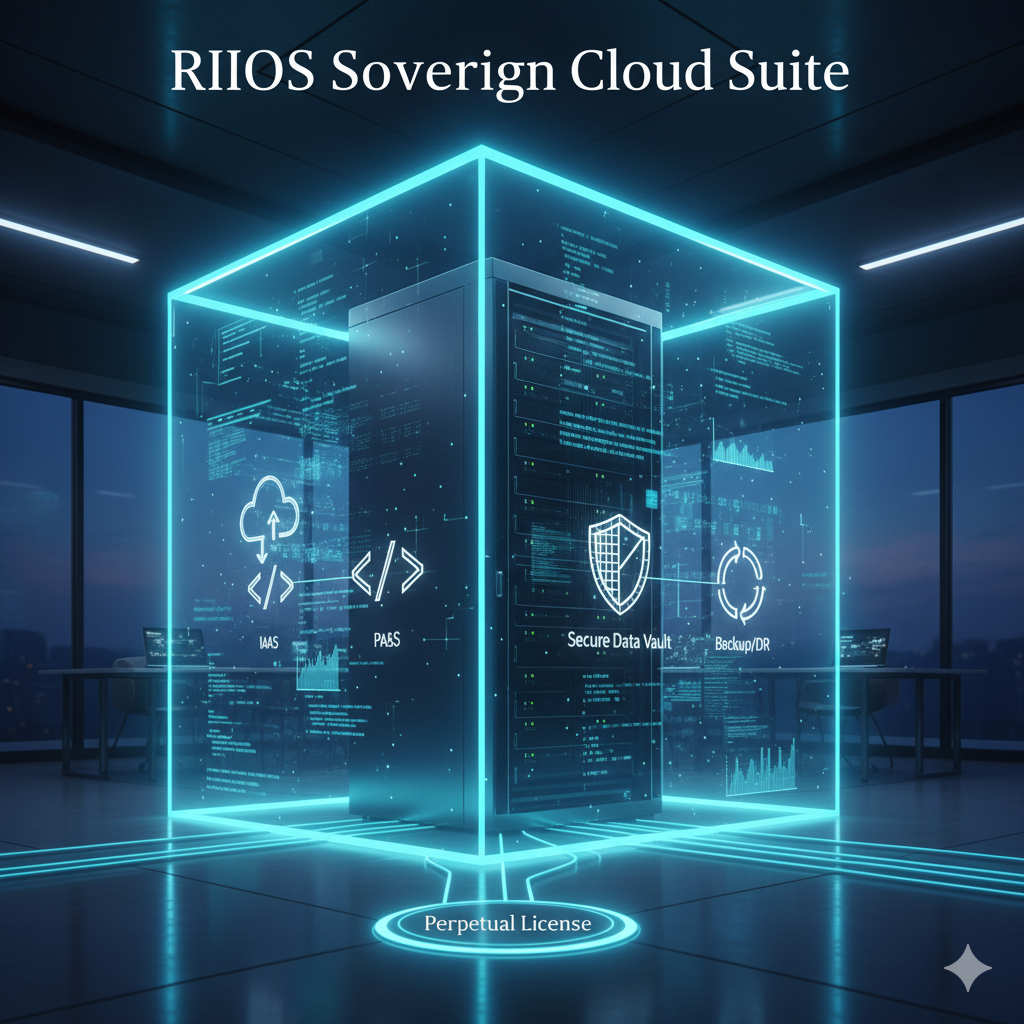
Report: RIOS-Campus Compute-1000 Core Compute Cluster
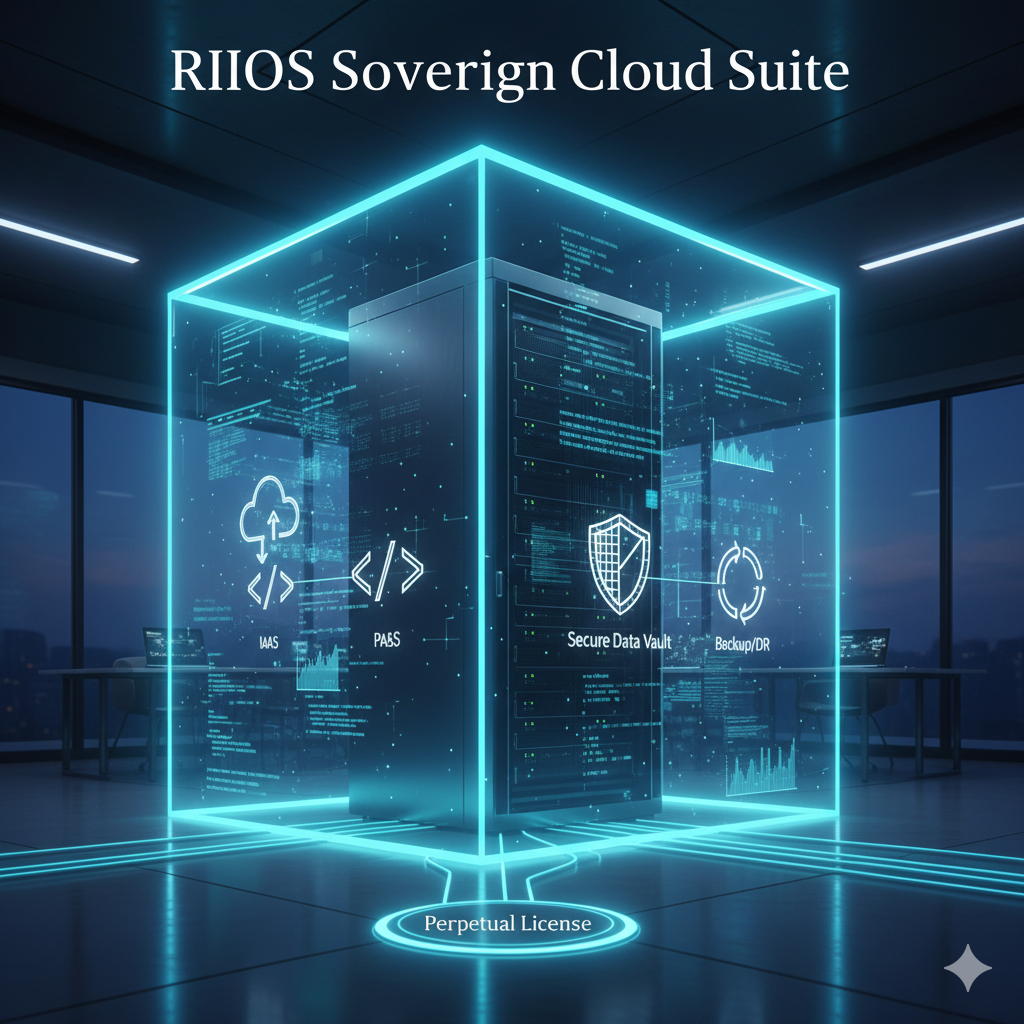
Report: RIOS-Campus Compute-1000 Core Compute Cluster
Classification: DeReticular Strategic Infrastructure
Date: November 30, 2025
Subject: The Distributed Community Supercomputer Architecture
1. Executive Summary: The Community Supercomputer
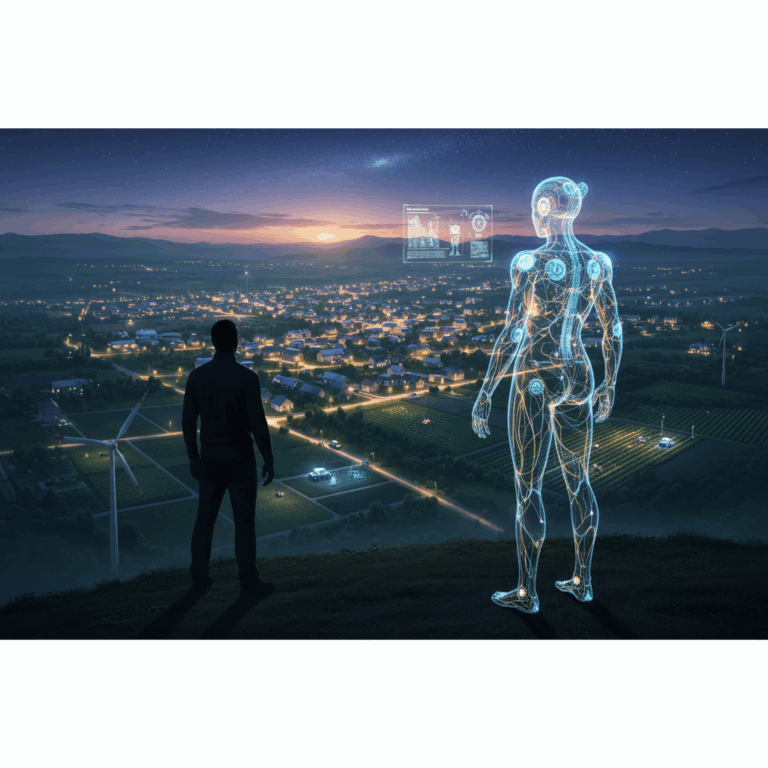
The RIOS-Campus Compute-1000 (CC-1000) has evolved beyond a single static server rack. It is now a Distributed AI Supercomputer woven directly into the fabric of the municipality.
While it retains a high-density “Central Core,” the system’s true power lies in its decentralized architecture. By distributing 1,000 NVIDIA H100 AI Servers across key community gathering points—Schools, Libraries, Churches, Apartment Offices, and Parks—the CC-1000 transforms the entire town into a living, breathing neural network.
This architecture achieves two goals simultaneously:
- Massive Compute Power: Aggregating 1,000 H100 GPUs creates an Exascale-class AI training cluster capable of handling the world’s most demanding workloads.
- Hyper-Local Economic Growth: Every node location becomes an “AI Opportunity Zone,” coached by the BizBuilder Mike program to turn connectivity into capital.
2. Architecture: The Hub-and-Spoke Model
The CC-1000 utilizes a “Sovereign Mesh” topology, ensuring that the network becomes stronger as more nodes are added (Network Effect).
A. The “Core” (The Hub)
- Location: Secure, centralized municipal facility or Co-Op headquarters.
- Hardware: 42U Liquid-Cooled Rack.
- Role: Heavy lifting. This high-density cluster handles the orchestration, model training aggregation, and persistent storage (Data Vault) for the entire campus. The direct-to-chip water cooling allows these H100s to run at 100% utilization 24/7 without thermal throttling.
B. The “Community Anchors” (The Spokes)
- Locations: High-traffic gathering spots including:
- Public Libraries & Schools: Educational AI labs.
- Churches & Park Centers: Community connectivity hubs.
- Apartment Complex Main Offices: Residential edge nodes.
- State & Municipal Offices: Secure government processing.
- Hardware: Single or dual-node H100 AI Servers housed in “Silent/Hardened” enclosures.
- Role: These nodes provide low-latency inference for the specific location while contributing their idle compute cycles back to the central “Cluster Swarm” to generate revenue.
3. Community Enablement: Wi-Fi & Opportunity
DeReticular believes that infrastructure should give back. Every location hosting a CC-1000 Node provides two immediate benefits to the public:
Benefit 1: Free “Sovereign” Wi-Fi
Every Anchor Node broadcasts a high-speed, free Wi-Fi signal to the surrounding area.
- For the Park: Parents can work remotely while kids play.
- For the Apartment: Tenants get free, high-speed access, increasing the property value for the landlord.
- For the Library: Unthrottled access to global research databases.
Benefit 2: AI Enablement
These are not just internet hotspots; they are AI Hotspots.
- Local data (e.g., traffic patterns at the park, inventory at the school) can be processed on-site instantly.
- Small businesses nearby can tap into the H100 power for “pennies on the dollar” to run advanced analytics, render marketing materials, or automate customer service.
4. The “BizBuilder Mike” Program: The Human Engine
Technology alone does not create wealth; adoption does. To ensure the CC-1000 generates local economic growth, DeReticular introduces the BizBuilder Mike initiative.
Who is BizBuilder Mike?
“BizBuilder Mike” is the dedicated ecosystem coach and economic architect for the local RIOS Campus. His role is to bridge the gap between high-tech hardware and main street business.
The Coaching Program:
- Adoption Strategy: Mike works with local landlords, small business owners, and community leaders to install AI Servers in their unused space.
- “Business in a Box”: Mike coaches these hosts on how to turn their server into a business.
- Example: An apartment owner installs a node. Mike shows them how to monetize the compute (via the RIOS Flywheel) to offset building maintenance costs while offering free Wi-Fi as a tenant perk.
- Local Economy Injection: By teaching locals how to “farm” compute yields and sell local cloud services, Mike ensures the revenue generated by the H100s stays in the town, circulating through local shops and families, rather than being exported to Silicon Valley.
5. Strategic Vision: The Network Effect
The RIOS-Campus Compute-1000 is designed to grow organically.
- Phase 1 (The Seed): The 42U Core Rack is installed. Revenue begins flowing.
- Phase 2 (The Spread): BizBuilder Mike recruits the first 10 Anchor Locations (Library, City Hall). Free Wi-Fi zones appear.
- Phase 3 (The Swarm): As small businesses see the success of the Anchors, they adopt their own nodes. The cluster grows to 1,000 H100 Servers.
- Result: The community possesses a world-class Supercomputer. The collective revenue creates a self-sustaining economy that pays for the town’s power and connectivity infrastructure permanently.
Conclusion:
The RIOS-Campus Compute-1000 is not just a server cluster; it is a Community Wealth Engine. By placing the world’s most powerful AI hardware (NVIDIA H100) into the hands of libraries, churches, and small businesses, DeReticular is democratizing the future of intelligence.