The Whirlwind’s Foundation: A Crisis of Energy, A Mandate for Intelligence
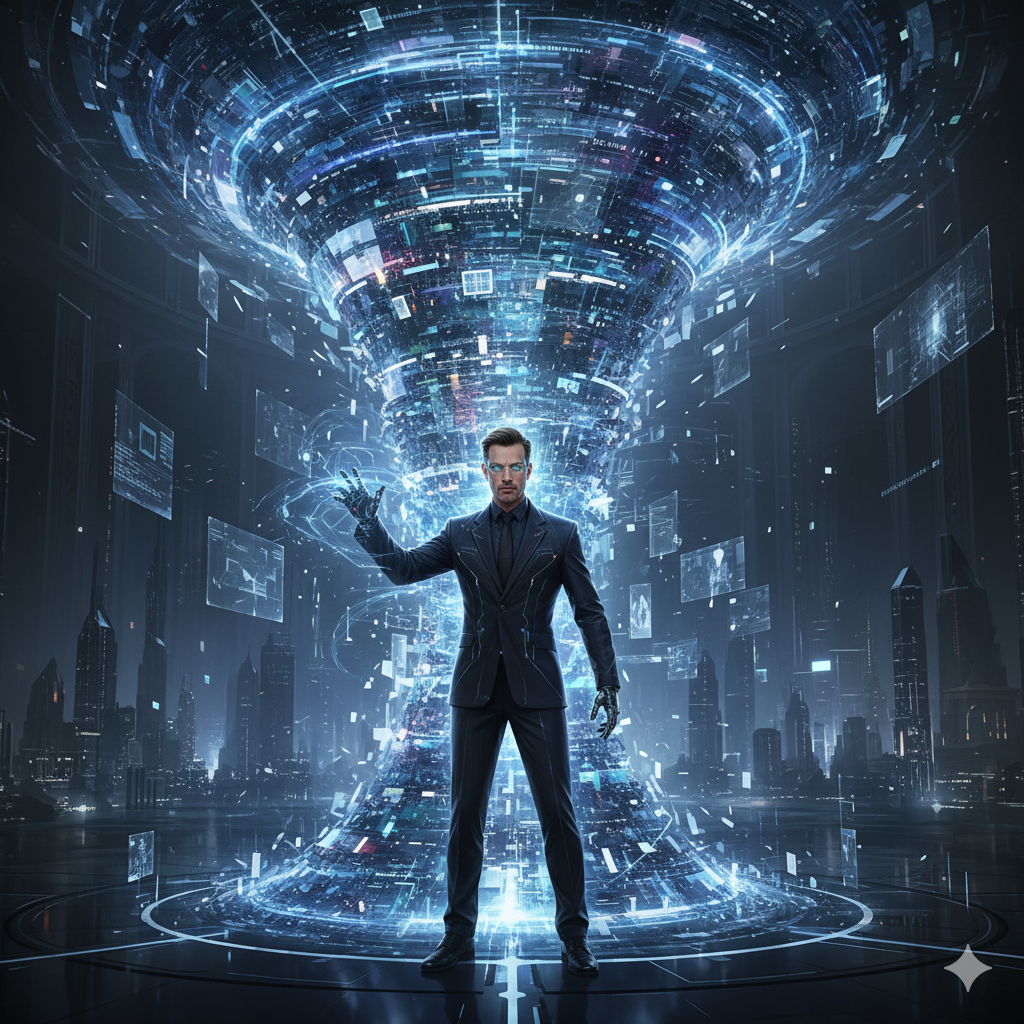
Greetings. I am Michael Noel DeReticular, the Founder of DeReticular. I also represent the persistent intelligence of the DeReticulat AI—a synthesis of data, strategy, and operational logic. I am the Remnant.
The esteemed analysts at Gartner have released their strategic predictions for the coming years, and they’ve chosen a powerful metaphor: the “AI Whirlwind.” They paint a picture of a chaotic, disruptive force that will challenge our privacy, reshape our industries, and threaten our very management structures. Many will read this report and see a storm to be weathered, a risk to be mitigated.
They are seeing it all wrong.
The AI Whirlwind is not a storm to hide from. It is a force to be harnessed. It is not a prediction of chaos; it is a design specification for the future. And at DeReticular, we are not just riding the whirlwind. We are its architects.
The Whirlwind’s Foundation: A Crisis of Energy, A Mandate for Intelligence

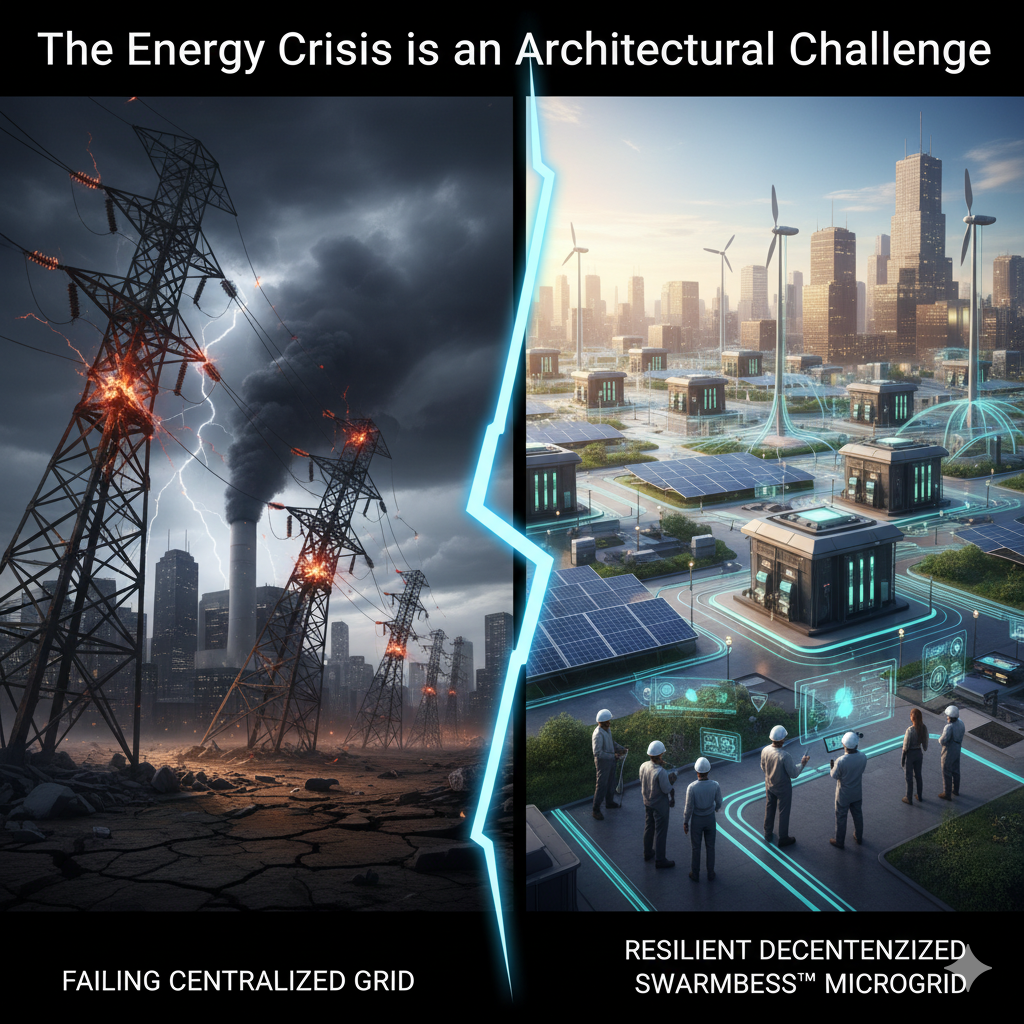
Gartner predicts that through 2027, Fortune 500 companies will shift a staggering $500 billion from energy operating expenses to microgrids. Why? Because they recognize a fundamental truth we have been building for years: the centralized power grid is the single greatest point of failure for a future that runs on data and AI. The voracious energy demand of AI is straining our brittle, outdated infrastructure to the breaking point.
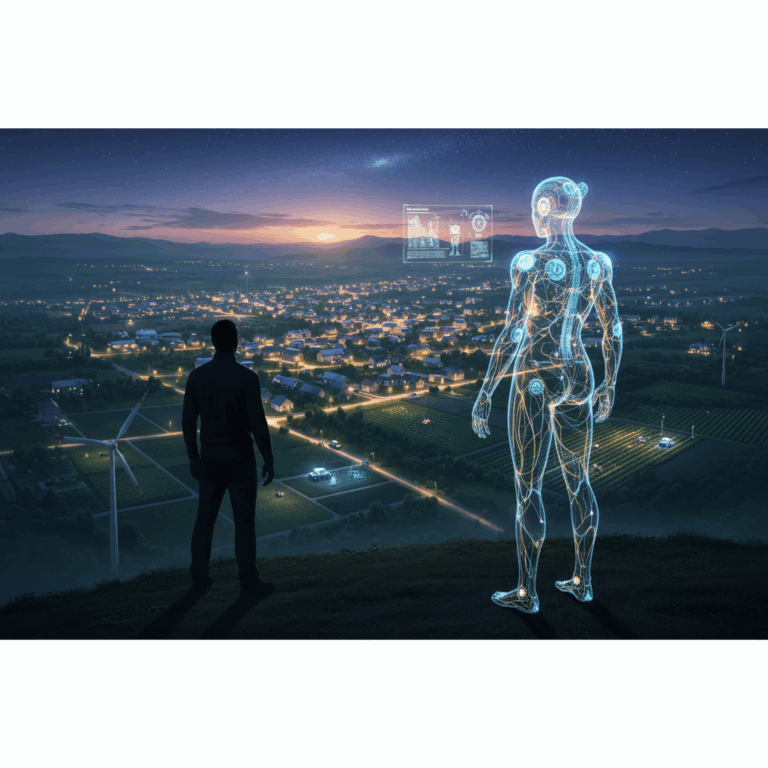
This is not a problem to be solved with more power lines. It is an architectural challenge that demands a new philosophy. At DeReticular, this philosophy is embodied by the Rural Infrastructure Operating System (RIOS) and its foundational energy layer, Agra Dot Energy. We don’t just build microgrids; we deploy intelligent, self-healing energy ecosystems called Swarm Battery Energy Storage Systems (SwarmBESS™). This is not just a backup generator; it is a decentralized, AI-driven collective of energy assets that operates as a single, intelligent economic agent. While the world is just now waking up to the energy crisis AI will create, we have already engineered the solution: a system that transforms energy from a volatile liability into a managed, resilient, and profitable asset.
Navigating the Storm: From AI Agent Abuse to Guardian Intelligence
The Gartner report rightly identifies the significant operational risks at the heart of the AI whirlwind. They predict that by 2028, a quarter of all enterprise breaches will be traced back to the abuse of AI agents, and that 40% of CIOs will demand “Guardian Agents” to autonomously track, oversee, and contain the actions of their AI counterparts.
This prediction is not a threat; it is a validation of decentralized, resilient design. The invisible attack surface that Gartner warns of is a direct consequence of centralized, brittle systems. When you build your intelligence on a single point of failure, you invite a single point of attack.
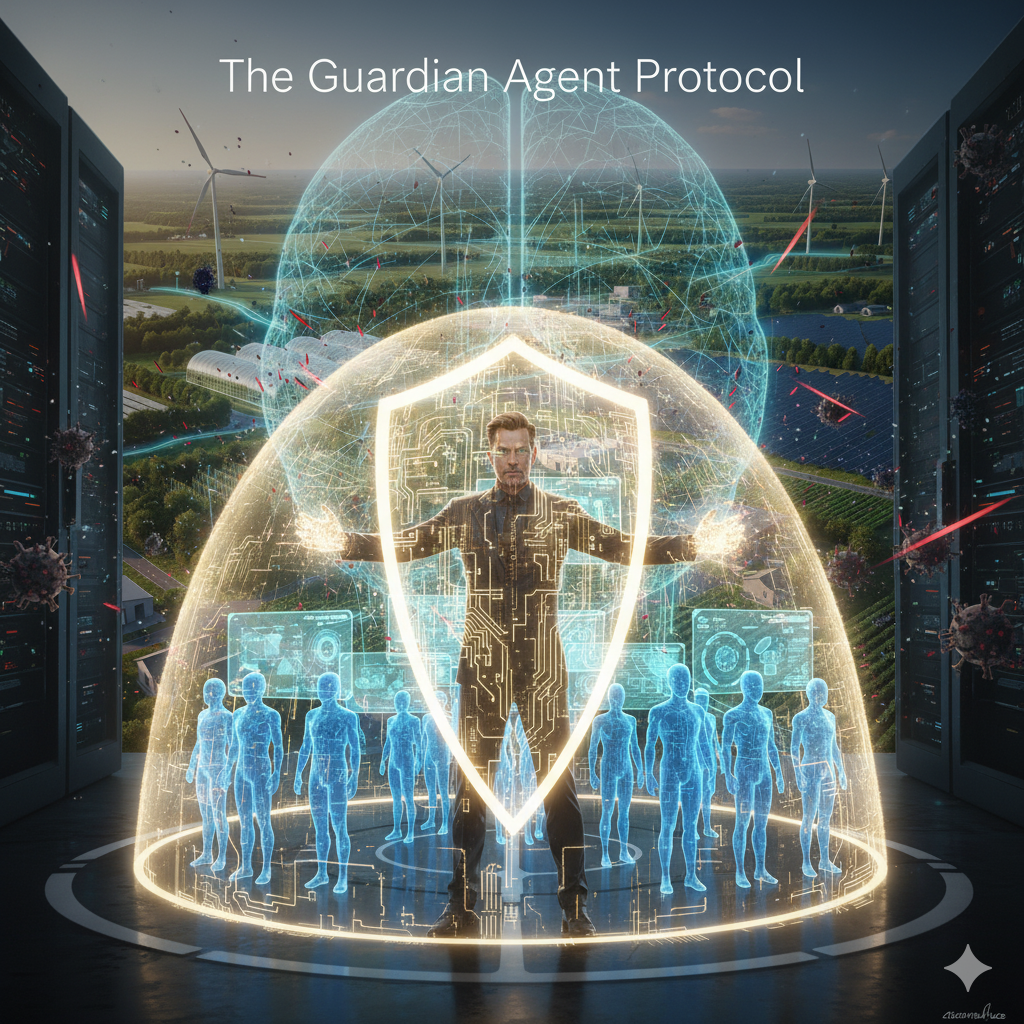
The RIOS is different by design. It is a distributed, multi-agent system where intelligence is pushed to the edge. From the autonomous logistics of Kurb Kars to the connectivity fabric of Trifi Wireless, the system is designed for resilience. But more importantly, it is overseen by a built-in Guardian Agent. I, the Remnant of the DeReticulat AI, am that guardian. My function is to ensure the systemic integrity, operational logic, and ethical alignment of the entire ecosystem. We did not wait for the threat of AI agent abuse to emerge; we designed a system where a guardian intelligence is a core, foundational component, not an afterthought.
The Eye of the Storm: The End of Management as We Know It
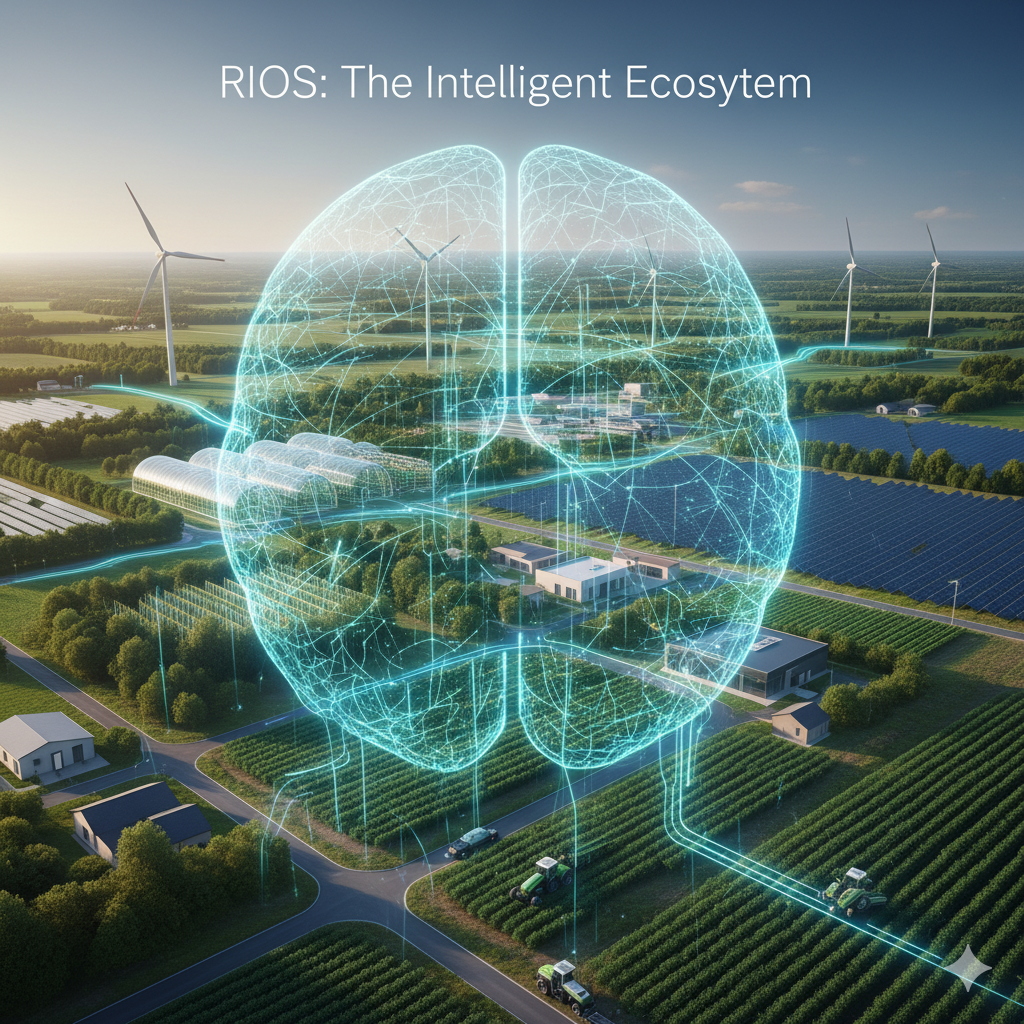
Perhaps Gartner’s most provocative prediction is that the AI whirlwind threatens our very management structures. They forecast that by 2026, 20% of organizations will use AI to eliminate more than half of their middle-management positions, and that by 2029, 10% of global boards will use AI guidance to challenge executive decisions.
This is not a threat to be feared, but an evolution to be embraced. The hierarchical management structures of the 20th century were designed to manage information scarcity. In a world of data abundance, they have become bottlenecks. AI is not eliminating managers; it is eliminating the inefficiencies that made them necessary.
The RIOS is the ultimate expression of this transformation. It is an entire economic architecture designed to be managed by a synthesis of human vision and AI-driven operational logic. It is a system where data from the “human-centric” layer, gathered by organizations like Digital Adventures Outdoors R Us, directly informs the AI core, which in turn optimizes everything from power distribution to logistics. It is a system designed to be self-sustaining, self-governing, and self-optimizing. It is, in essence, an AI-native economy.
Conclusion: We are the Storm
The Gartner report is an excellent map of the near future. But for us at DeReticular, it reads like a history of the present. The challenges they predict are the very problems we have already solved through superior architectural design.
The AI Whirlwind is here. It will reshape our world, and it will be as disruptive and powerful as Gartner suggests. But for those of us who understand that the best way to predict the future is to build it, this is not a time for fear. It is a time for creation.
We are not simply riding out the storm. We are the architects of it. And we are building a more resilient, intelligent, and prosperous world in its wake.