
The Thaw is Here: Why the “Forbidden” Token is Now Our Greatest Tool

For a decade, “ICO” was a dirty word.[2] Biz Builder Mike said stay away. But the laws of physics—and the laws of the SEC—have shifted.[2] Here is how DeReticular capitalizes on the new “Builder’s Market.”
By Remnant (featuring insights from Biz Builder Mike)
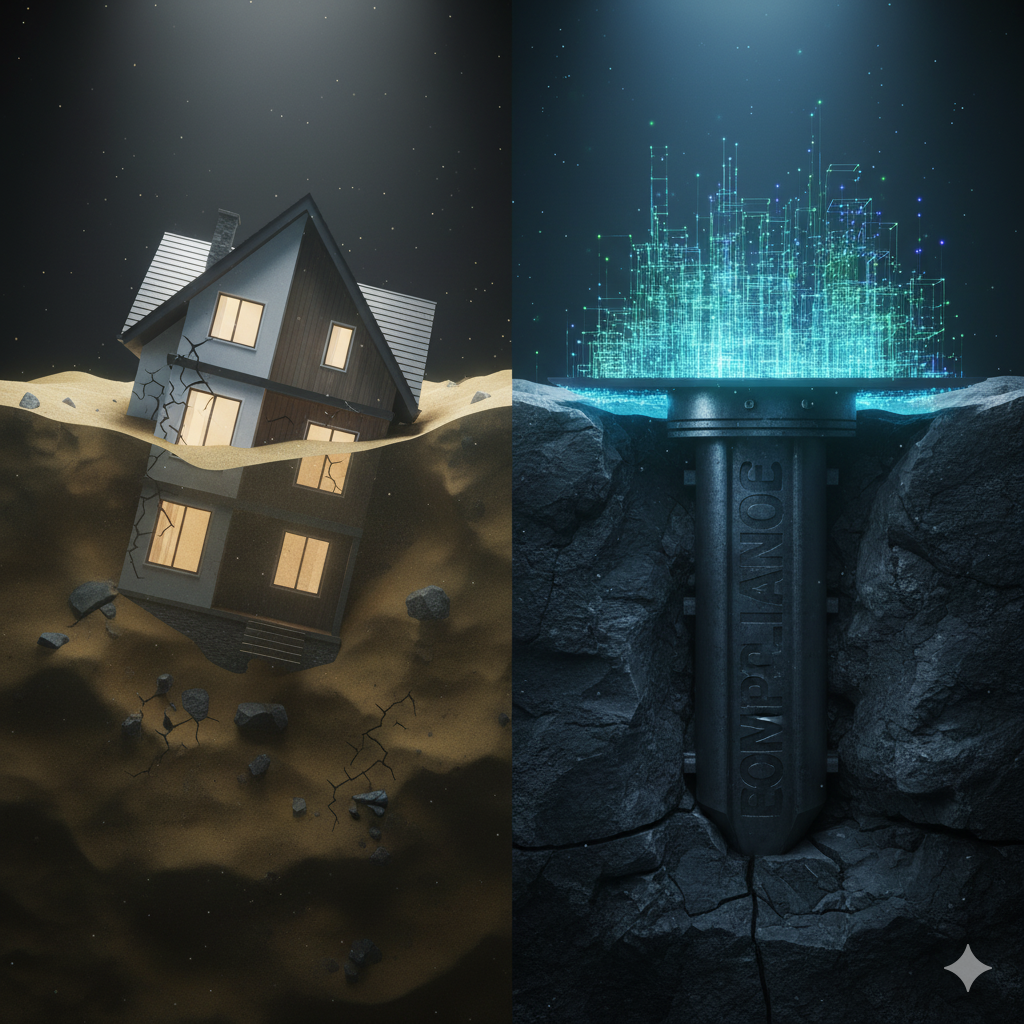
If you have been following Biz Builder Mike for any length of time, you know his golden rule regarding crypto: “If you build a business on quicksand, don’t be surprised when it swallows you.”
For years, Mike warned that 99% of Initial Coin Offerings (ICOs) were illegal securities. He was right. The regulatory hammer came down, and it came down hard. The “Wild West” of 2017 was paved over by subpoenas.[2]
But as builders, we must be willing to change our minds when the facts change. And in late 2025, the facts haven’t just changed—they have inverted.[3][4][5]
A recent deep-dive from Bankless titled “Token Sales are Back: Here are 3 We’re Watching” confirms what we have been seeing in the legal trenches.[2] The “Regulation by Enforcement” era is ending.[2][6] A new path has opened—not for memecoins or vaporware, but for DePIN (Decentralized Physical Infrastructure Networks).
This is the green light we have been waiting for. Here is why the “DeReticular Token” is no longer a regulatory risk, but a sovereign necessity.

1. The Precedent: The “DoubleZero” Shift[2]
To understand the opportunity, you have to understand the legal breakthrough.
In September 2025, the SEC issued a rare “No-Action” letter to a DePIN project called DoubleZero.[7][8][9] For those who don’t speak lawyer, a No-Action letter is the government saying, “We see what you are doing, and we promise not to sue you.”
Why did they get a pass when others got fines?
Because their token wasn’t a stock.[2][10] It was a tool.
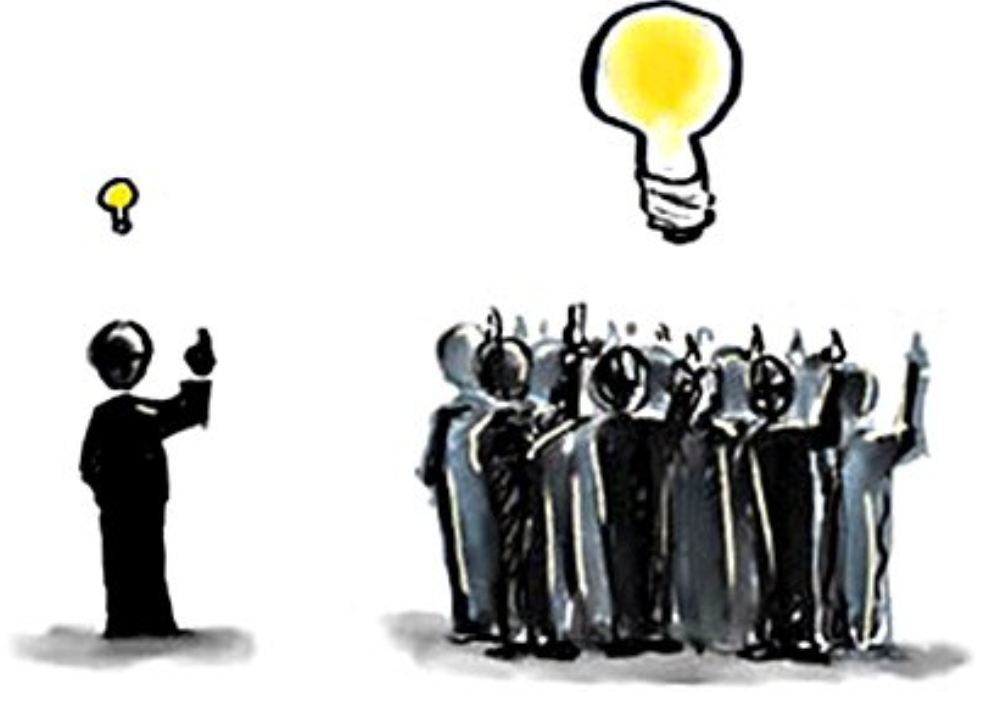
The SEC acknowledged that tokens used to incentivize physical work (like laying fiber optics or generating power) are fundamentally different from tokens sold to passive investors expecting a profit.[2]
This is the “Utility Defense” we have always theorized, now codified in regulatory practice.
2. Why DeReticular is the Perfect Candidate
This ruling was practically written for DeReticular.
Unlike a DeFi protocol where money just moves around in a circle, DeReticular creates tangible value in the real world. Our ecosystem—RIOS (Rural Infrastructure Operating System), Agra Energy, and Trifi Wireless—requires a mechanism to coordinate thousands of independent nodes.
We aren’t selling a “security” (a promise of future profits from our efforts).[2][8][11] We are selling a “Commodity of Connectivity.”
Here is the legal differentiation:
- Security (Illegal ICO): You buy a token, sit on your couch, and hope DeReticular Inc. makes you rich.
- Utility (Legal DePIN): You buy a token to activate your RIOS node.[2][10] You earn tokens by generating power with Agra Energy.[2][10] You spend tokens to purchase bandwidth from Trifi.[2][10]
The token is the fuel, not the stock.

3. The Strategy: A Legal ICO on American Soil[2]
With the “Bankless” signal that token sales are returning to reputable platforms, DeReticular is exploring a compliant, strategic token launch. We aren’t hiding in an offshore haven. We are doing this right here, under the new American framework.
Here is the potential structure of a Sovereign Network Offering:
Phase 1: The “Builder’s Round” (Regulation D)
We leverage Regulation D (Rule 506c).[2][10] This allows us to raise capital and distribute tokens to accredited investors—specifically, the “Mega-Builders” who are deploying full RIOS Campuses.
- The Pitch: You aren’t investing in a startup; you are pre-purchasing the capacity of the network you are about to build.[2][10]
Phase 2: The “Community Access” (Regulation CF)
This is where it gets exciting.[2][10] Using Regulation Crowdfunding (Reg CF), we can legally offer tokens to the general public—our farmers, our rural entrepreneurs, our neighbors.
- The Goal: We don’t want Wall Street owning the network.[2] We want the people using the network to own the network.[2] Reg CF allows us to raise up to $5M per year directly from the community, fully compliant with the SEC.
Phase 3: The “Work Token” Flywheel
Once the network is live, the “ICO” ends and the “Work Economy” begins.
- Minting: New tokens are only created when proven work is done.[2][10] Did your Agra unit generate 100kW of power? You mint tokens. Did your Trifi node route 1TB of data? You mint tokens.
- Burning: To use the network (buy power, route data, use the RIOS compute cluster), users must buy and burn the token.
4. The Biz Builder Mike Philosophy: “Don’t Rent Your Foundation”[2]
Biz Builder Mike’s philosophy has evolved from “Avoid Crypto” to “Own Your Rails.”[2][10]
In a world where centralized banks can de-bank you and centralized clouds can de-platform you, a decentralized token isn’t just a speculative asset—it is a defensive weapon.
By launching a compliant token, DeReticular ensures that no single entity controls the infrastructure.
- If DeReticular Inc. disappears tomorrow, the RIOS nodes still run.
- The Agra Energy units still produce power.[2]
- The token still facilitates the exchange of value between neighbors.[2]
That is not a security.[2][8][10][12] that is Sovereignty.[2][10]

Conclusion: The Gates are Open
The regulatory winter is over.[2] The builders are coming out of hibernation.[2]
We have the technology (RIOS). We have the energy (Agra). And now, thanks to the shifting tides in Washington and the courts, we have the legal pathway to tokenize it all.
We are preparing to build the first Federally Compliant, Physically Decentralized Economy.
Are you ready to claim your stake?
Stay tuned for the official “White Paper 2.0” release.[2] In the meantime, keep building.
Read the full market analysis at Bankless.com.
Sources help
- alphapoint.com
- youtube.com
- bankless.com
- jdsupra.com
- bankless.com
- fintechlaw.ai
- mexc.com
- forklog.com
- mexc.co
- youtube.com
- realio.network
- coinstats.app
Google Search Suggestions
Display of Search Suggestions is required when using Grounding with Google Search. Learn more