The Great Repatriation: Why Agentic AI is Demanding a New Home
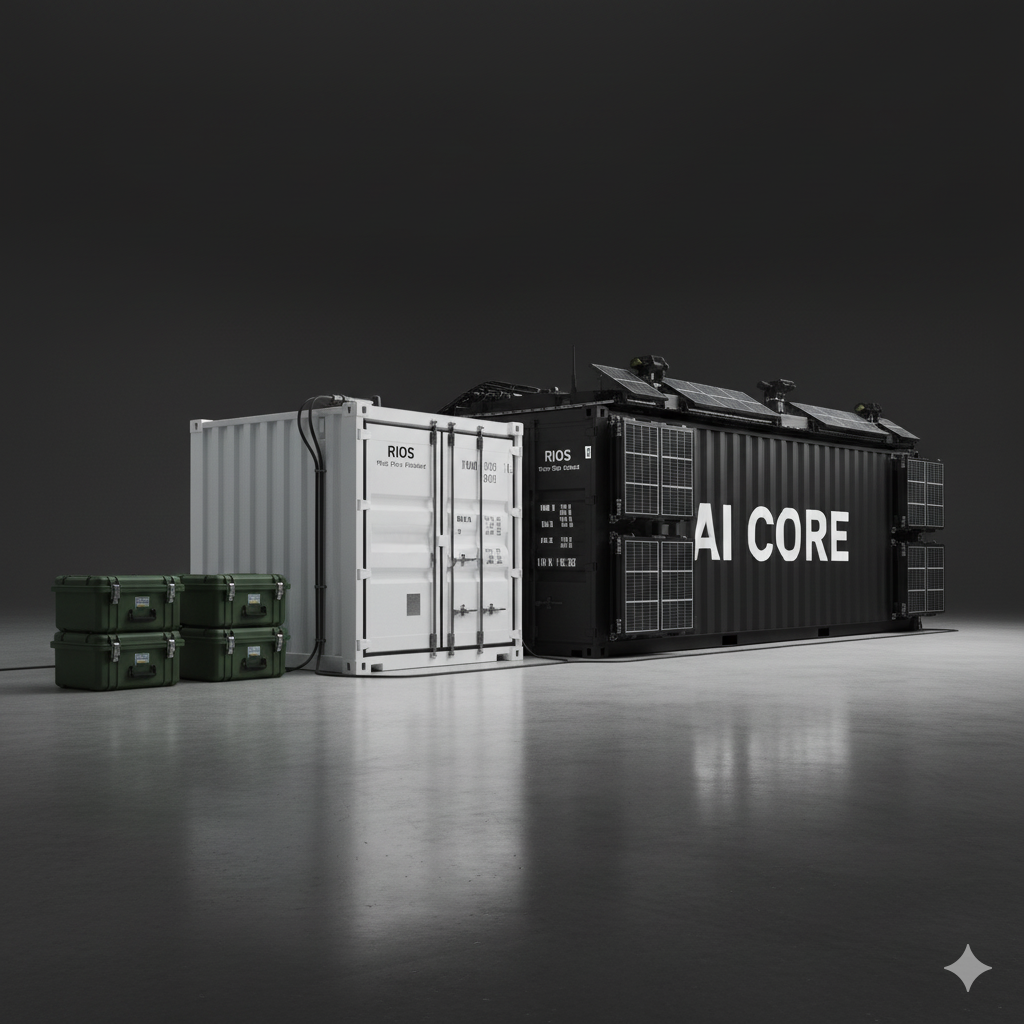
As AI moves from “chatbot” to “workforce,” the centralized cloud is becoming too loud, too expensive, and too fragile. Here is why the future of AI is running on bare metal, at the edge, on RIOS.
By The DeReticular Team
We have spent the last decade in a massive migration. Businesses moved everything—data, apps, logic—into the “Cloud.” We treated the Hyperscalers (AWS, Azure, Google) like utility companies, assuming that bigger always meant better.
But the winds are shifting.
According to Richard Copeland, CEO of Leaseweb USA, 2026 marks a turning point. He predicts a massive wave of “Cloud Repatriation”—companies pulling their workloads out of the giant public clouds and bringing them back to regional, bare-metal environments.
Why? Because Agentic AI has arrived. And Agentic AI refuses to live in a crowded apartment.

The Shift: From Tool to Agent
To understand why the infrastructure must change, we must understand how the software is changing.
Copeland puts it perfectly:
“In 2026, agentic AI starts replacing full workflows… The real impact isn’t that AI replaces jobs, but that it replaces the tasks people shouldn’t be doing in the first place.”
We aren’t talking about ChatGPT writing a poem anymore. We are talking about Agentic AI—autonomous agents that manage supply chains, optimize energy grids, monitor crop health, and execute financial trades without human hand-holding.
When AI becomes “Agentic,” it ceases to be a novelty and becomes Mission Critical.
- If a chatbot lags, you get annoyed.
- If an Agentic AI managing a power grid lags, the lights go out.
This shift has exposed the fatal flaw of the centralized cloud: The Noisy Neighbor.
The Problem: The “Noisy Neighbor” and the Hyperscale Trap
In a public cloud, your critical AI workload is often sharing physical resources with thousands of other users. If a teenager in another country goes viral on TikTok, or a crypto-miner spins up a massive operation, the shared resources strain. Your latency spikes. Your AI stutters.
Copeland notes that companies are seeing “outages, noisy-neighbor issues, unpredictable billing, and environments so complex that one failure cascades through the whole stack.”
For Agentic AI, which requires massive GPU power and instant reaction times, this inconsistency is unacceptable. Furthermore, the cost of renting GPU time from Hyperscalers is skyrocketing. You are paying a premium for a service that is becoming less reliable.
The industry needs a landing pad for this “Repatriation.”
It needs infrastructure that is Simple, Transparent, and Sovereign.
The Solution: RIOS and the Return to Bare Metal
This is the strategic moment for DeReticular.
Our Rural Infrastructure Operating System (RIOS) was built for exactly this scenario. We didn’t build RIOS to compete with the Hyperscalers on their terms; we built it to offer the one thing they can’t: Sovereignty.
Here is how RIOS aligns with the 2026 Repatriation trend:
1. Bare Metal Performance for GPU Heavyweights
Copeland predicts a move to “bare-metal platforms built for performance.”
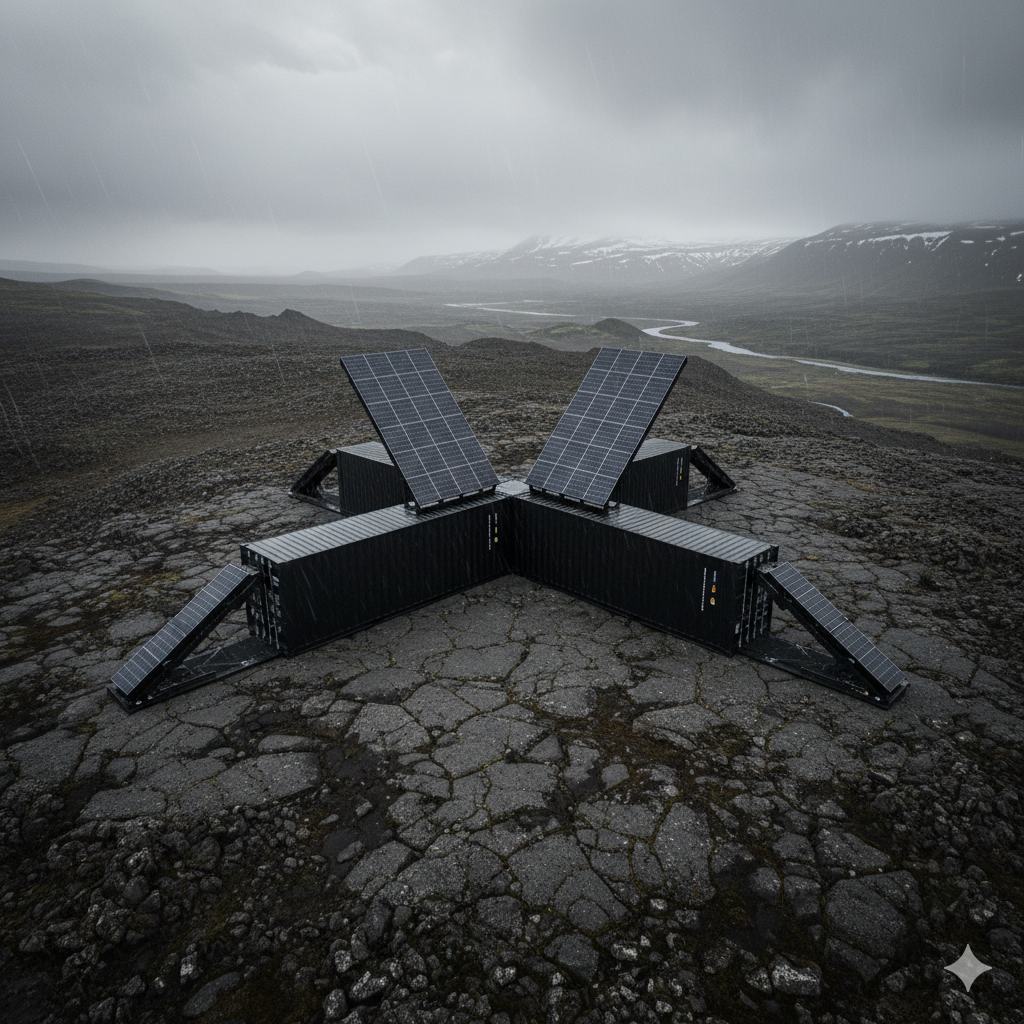
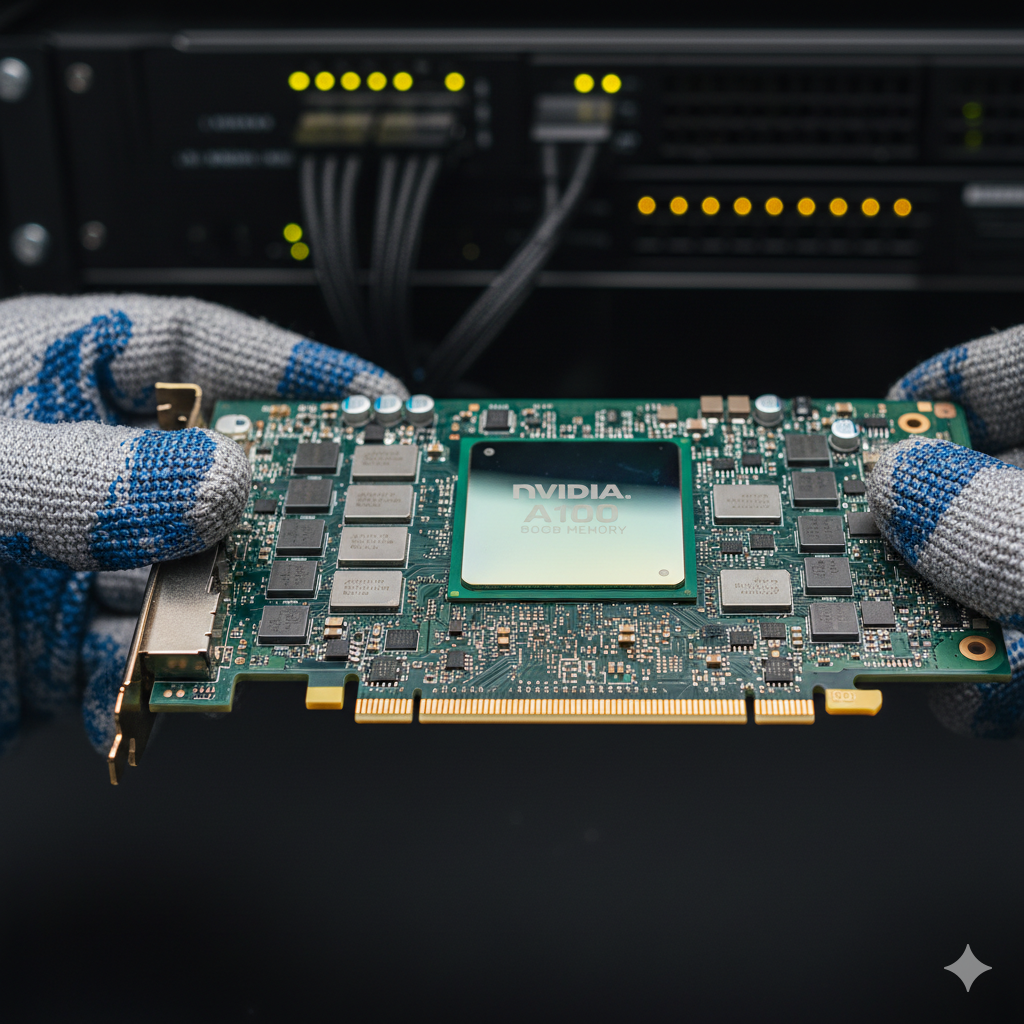
A RIOS Node is the ultimate bare-metal environment. When you deploy a RIOS-CC-1000 (Compute Cluster), there is no virtualization layer eating up your processing power. There are no “noisy neighbors.”
The entire GPU stack is dedicated to your Agentic AI. This means faster inference, lower latency, and absolute predictability.
2. Radical Simplicity
The modern cloud stack has become a Jenga tower of microservices, load balancers, and hidden fees.
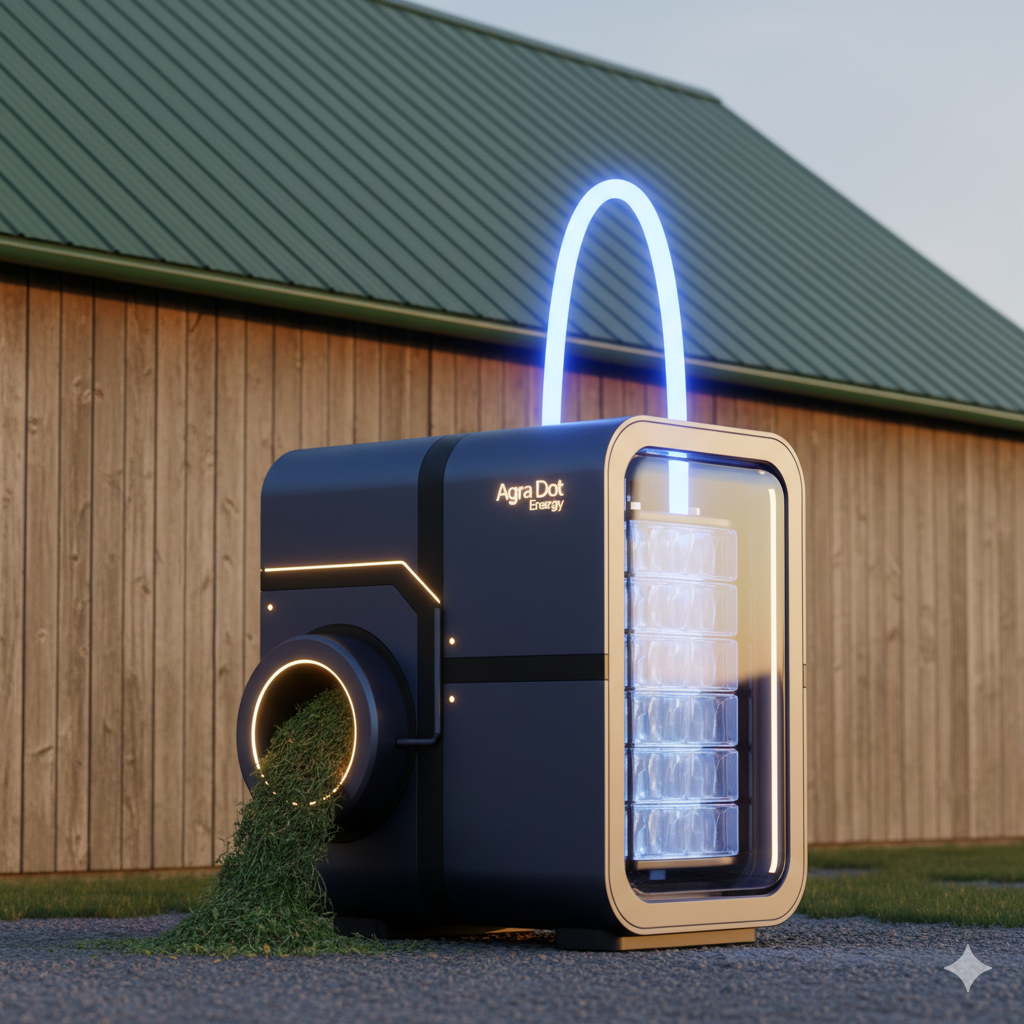
RIOS flattens the stack. It connects the compute directly to the power (via Agra Energy integration) and the connectivity (via Trifi Wireless).
- The Power is Local: No grid fluctuations.
- The Network is Local: No routing through a data center three states away to talk to a sensor across the street.
- The Compute is Local: Data is processed where it is born.
3. Cost Predictability
Agentic AI burns energy and compute cycles 24/7. On a Hyperscaler, the “meter” is always spinning, often with unpredictable surge pricing.
With DeReticular, you shift from OpEx (endless rent) to CapEx (ownership). You own the node. You generate the power. The marginal cost of running your AI drops to near zero.
The Strategic Alignment: The “Sovereign Agent”
The synergy here is undeniable.
The Trend: AI is becoming autonomous (Agentic) and needs a stable, private home (Repatriation).
The Platform: DeReticular provides the physical infrastructure (RIOS) to host these agents at the edge.
Imagine an agricultural operation.
- The Old Way: Sensors send data to the Cloud (High Latency). The Cloud processes it (High Cost). The Cloud sends a command back to the irrigation system (Delay/Risk of disconnect).
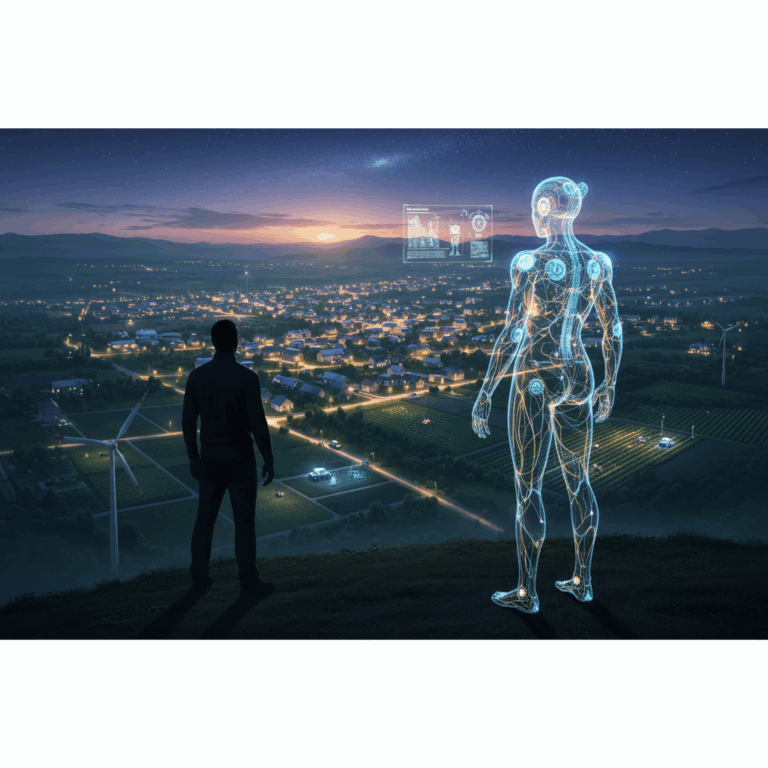
- The RIOS Way: An Agentic AI lives on a RIOS Node in the barn. It reads the sensors instantly. It controls the irrigation in real-time. It manages the energy usage of the pumps. It does this even if the internet connection to the outside world is severed.
This is the definition of Resilience.
Conclusion: Build Your Fortress
The “Cloud” was a great place to visit, but you wouldn’t want to live there.
As we move into 2026, the smart money is packing its bags. They are looking for a place where they control the hardware, where the billing is transparent, and where their AI agents can run wild without hitting a virtual wall.
DeReticular is building the neighborhoods for this new digital population.
Don’t just run your AI. Home it.
Ready to repatriate your data? Explore the RIOS architecture and the future of sovereign infrastructure at www.dereticular.com.