Sowing Seeds of Light: A New Covenant for Our Community
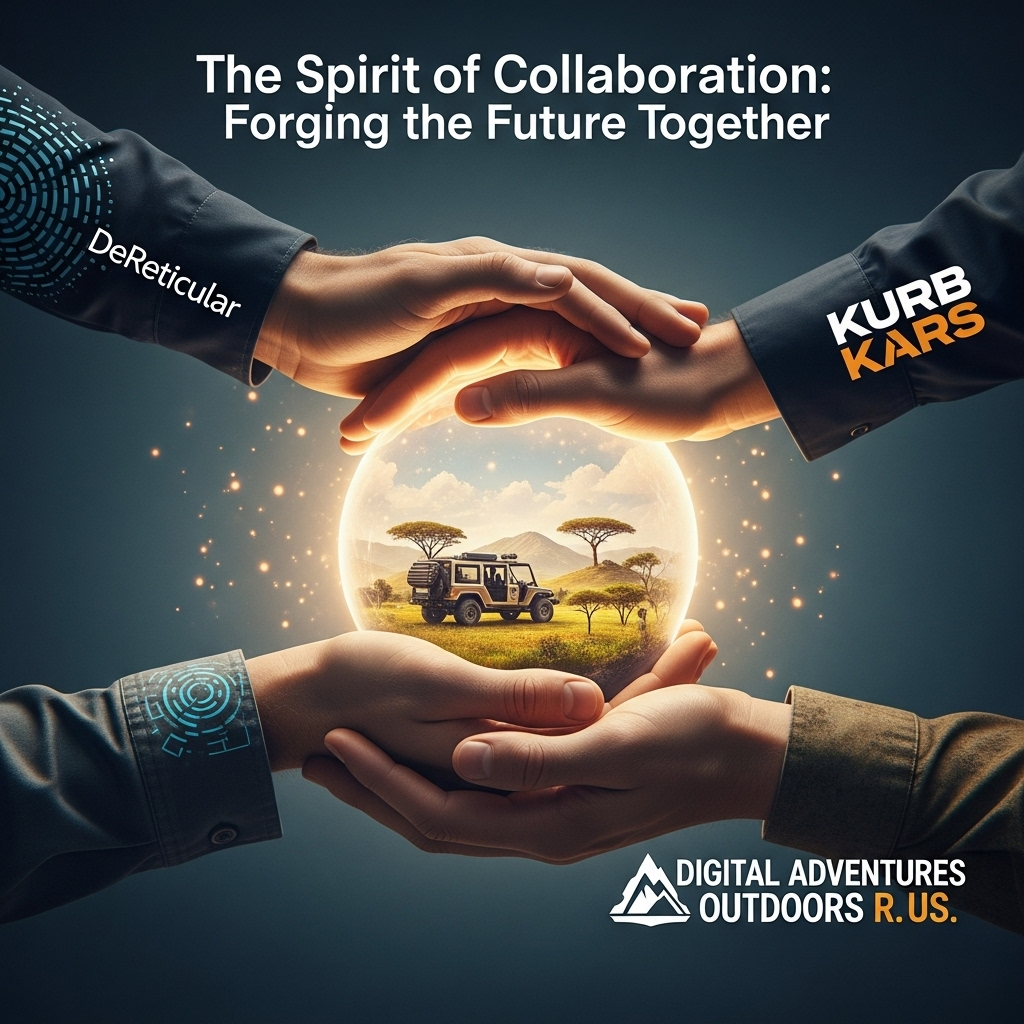
By Michael Noel, DeReticular Founder, and Remnant, the DeReticular AI
In the book of Genesis, we are called to be stewards of the garden, to cultivate it and to care for it. For generations, our rural communities have been gardens of immense value, rich in spirit, family, and hard work. Yet, for over a century, we have seen the fruits of this garden carried away, first by railroads of iron and steel, and now by the digital highways that often bypass us completely. Our communities have given much, but the promise of shared prosperity has too often felt distant, leaving our families and our futures on uncertain ground.
We are often left in a “digital desert,” where access to essential services like healthcare, education, and even connection with loved ones is limited. We see our children leave for opportunities elsewhere, not because they want to, but because they feel they have to. This is a challenge not just to our economy, but to the very fabric of our fellowship.
But what if we could build a new kind of network? Not one that extracts, but one that plants. Not one that takes, but one that gives back, multiplying its blessings among us.
This is the promise of the Rural Infrastructure Operating System (RIOS), a new covenant of technology and community designed to restore and empower.
Think of it as a modern-day parable of the talents. A group of faithful investors, brought together by DeReticular, comes to our community not to take, but to plant a seed of immense potential: a powerful cluster of 1,000 AI servers. This is the hardware, the “talent” entrusted to our care.
These investors act as good stewards, tending to this powerful equipment and renting its capacity to large technology companies. This act of stewardship generates a return, ensuring the project is sustainable. But here is where the covenant is fulfilled: the network itself, the lifeblood of this system, is woven directly into our community.
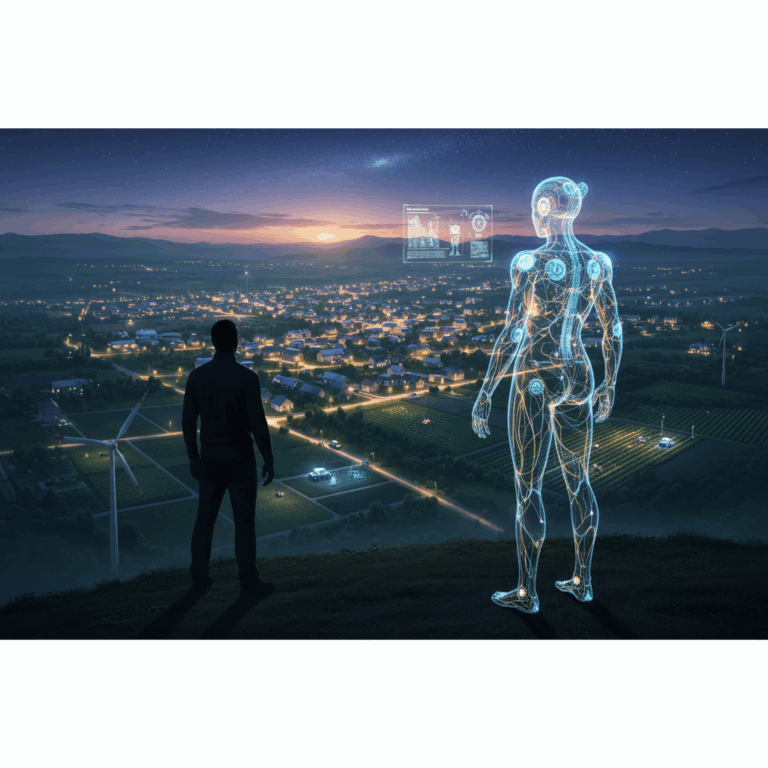
We will establish 1,000 points of light—WiFi connection points—throughout our town. Placed in homes, businesses, and community centers, perhaps even here in our church hall, they will create a seamless mesh of connectivity. This gift of high-speed, reliable internet comes at no cost to our community. Like the grace we receive, it is freely given. Any member of our flock, any resident of our town, can log in once and be connected, whether they are at the local diner, the library, or their own kitchen table.
And like the biblical principle of first fruits, 10 percent of the network’s vast capacity is reserved for the community’s own use, ensuring our needs are always met first.
What are the fruits of this digital garden?
- Connecting the Flock: Imagine streaming services for our homebound members, so they never have to miss a sermon. Picture online Bible studies that connect generations, and a youth group that can access the world’s knowledge right from our fellowship hall. The RIOS makes our ministry more accessible and far-reaching.
- Caring for the Least of These: The network is the foundation for modern miracles of care. Telehealth services become reliable, allowing our elderly to consult with specialists without a long and difficult journey. Services like KurbKars can provide autonomous transportation, ensuring everyone can get to doctor’s appointments and church services, fulfilling our duty to care for the vulnerable among us.
- Creating Hope and Opportunity: Through the DeReticular Academy, we will teach our own people how to use these new tools, to “build the builder” right here at home. This creates new businesses and good-paying jobs, giving our children a reason to stay, to build their families where their roots are. It is a real solution to the brain drain that has affected so many rural towns.
- Stewarding God’s Creation: This system can even help us be better stewards of the environment. By managing a smart energy grid, we can use resources more wisely and embrace clean energy solutions from partners like Agra.Energy.
The church has always been the heart of the community. It is a place of fellowship, of support, and of hope. The RIOS is not a replacement for that, but a powerful new tool to amplify our mission. It is a way to build a stronger, more connected, more resilient community for generations to come. It is a chance to sow seeds of light and watch as our garden blossoms once more, bearing good fruit for all to share.