
• Skip to primary navigation
  • Skip to main content
DeReticular

DeReticular

Local Autonomy. National Security. Total Sovereignty.

  • Solutions
    • Municipalities
    • Energy
    • Industrial
    • Defense
  • Infrastructure
  • Intelligence
  • Company
  • Request Municipal Audit
  • Show Search
Hide Search
You are here: Home / Archives for Energy

Energy

The PLASMA Project: Forging Uganda’s Future in the Heart of the Savannah

Michael Noel · October 22, 2025 ·

By Michael Noel, Founder of DeReticular, and Remnant, DeReticular’s AI

Michael: There are moments when the future doesn’t just knock; it presents itself as a vast, open landscape of possibility. For centuries, we’ve looked to the stars for the next frontier. At DeReticular, we believe one of the most profound frontiers is right here on Earth, in places of immense potential that are just waiting for the right catalyst.

Today, that place is the Karamoja sub-region of Uganda. It’s a land of breathtaking beauty, ancient geology, and resilient communities. It is also a land that has faced immense challenges. This is where we, in partnership with the brilliant team at Agra Energy Uganda, are planting a flag for the future. We call it the PLASMA Project, and it’s more than an initiative—it’s the beginning of a revolution.

I’ll set the vision, the ‘why.’ My co-author, our own AI, Remnant, will provide the data-driven analysis, the ‘how.’ Take a bow, Remnant.

Remnant: Thank you, Michael. Analyzing… The PLASMA Project is a multi-faceted sustainable development initiative designed to create a circular economy in Kaabong District. The core components are logically sequenced for maximum impact: large-scale industrial hemp cultivation integrated with advanced plasma gasification technology. The objective is to create a self-sustaining ecosystem that generates renewable energy, valuable agricultural products, and thousands of jobs, transforming the regional economy from the ground up.

The Artery of Progress: Logistics in a Transformed Karamoja

Michael: To build the future, you need to be able to reach it. Historically, Karamoja’s greatest challenge has been its isolation. The roads were arteries of dust in the dry season and impassable veins of mud in the wet. Any dream, no matter how grand, could get stuck in the ruts of a poorly maintained murram road.

But that’s changing, and the timing is nothing short of perfect.

Remnant: Correct. A critical logistical enabler for the PLASMA Project is the ongoing upgrade of the 78-kilometer Kotido-Kaabong road by the Uganda National Roads Authority (UNRA). This project, initiated in October 2025 and slated for completion in late 2026, is converting the primary access route into a paved, all-weather highway.

The logistical implications are transformative:

  • Accessibility: Heavy machinery, including the components for our 210 TPD plasma gasification unit, can be transported efficiently and safely to the site, regardless of the season.
  • Market Access: Once operational, the highway will allow us to move 49,000 tons of processed hemp products and other outputs to national and international markets without the costly delays and vehicle damage that have plagued the region.
  • Cost Reduction: Reduced travel times and improved road quality directly translate into lower operational costs for fuel and maintenance, enhancing the project’s overall financial viability.

This highway is the backbone of our operational strategy. It turns a remote location into a connected, strategic hub.

Beyond the Highway: Paving Our Own Path to Success

Michael: The new highway is the backbone, but a backbone needs a nervous system to bring a body to life. For a 7,000-acre campus, that nervous system is a network of feeder roads. We aren’t just planning to build a project next to this new road; we are planning to build an industrial and agricultural ecosystem that integrates with it seamlessly.

Imagine a web of well-designed, durably constructed access roads branching off the main highway. One leads to the 100-acre nursery beds where our hemp seedlings begin their life. Another leads to the central processing facility where harvested hemp is turned into fiber, oil, and seeds. A heavy-duty artery connects directly to the plasma gasification unit, ensuring a constant flow of biomass for energy conversion.

Remnant: This internal road network is not an incidental expense; it is a core piece of infrastructure critical for operational efficiency. The plan should include:

  1. Strategic Mapping: A topographical analysis to plot the most efficient routes, minimizing environmental disruption and construction costs.
  2. Phased Construction: Prioritizing the construction of key access roads during the initial pilot phase to support the setup of the nursery and testing facilities.
  3. Community Integration: Designing the network to not only serve the campus but also improve connectivity for local villages, creating shared value and strengthening community partnerships. This is a quantifiable goodwill and risk-mitigation factor.

Building these feeder roads ourselves ensures we control the quality and reliability of our internal logistics, insulating the project from the last-mile problem that can cripple even the most well-planned ventures.

The First 90 Days: From Blueprint to Footprints in the Soil

Michael: A vision is only as good as its execution. The period between now (October 2025) and the end of the year is the most critical phase. This is where we lay the foundation, not with concrete, but with data, agreements, and trust. Our immediate action plan is clear and decisive.

Remnant: The initial 90-day phase, as outlined in the MOU, is structured around four parallel objectives:

  1. The Bedrock of Data (Feasibility Study): This is my primary domain. My analysis confirms this is the highest priority. We must validate all operational assumptions. This involves on-the-ground soil testing in Kaabong to confirm suitability for high-yield hemp varieties, hydrogeological surveys to map water resources for sustainable irrigation, and a final validation of the $10 million cost projection for the plasma gasification unit against industry benchmarks. Data, not assumptions, will drive our success.
  2. Building Bridges (Community & Government Engagement): Led by Agra Energy Uganda, this involves formalizing partnerships with local leaders and landowners in Kaabong. Transparent negotiations for the initial 100-200 pilot acres are paramount. Simultaneously, we will be working hand-in-hand with the Uganda Investment Authority and Ministry of Health to ensure our licensing and regulatory pathway is clear and compliant.
  3. Planting the Seeds (Pilot Program Mobilization): We must show tangible progress. This means assembling the core technical team, procuring climate-adapted hemp seedling varieties for testing, and finalizing the engineering plans for the small-scale pilot processing and gasification units.
  4. Fueling the Vision (Securing Seed Funding): While DeReticular leads the charge for the full $30 million investment, the immediate goal is to secure the first $1-2 million in seed capital. This initial tranche is essential to fund the feasibility study, land deposits, and team assembly, demonstrating momentum to our larger institutional investment partners.

Michael: This isn’t just about building a project. It’s about creating a replicable blueprint for a sustainable, prosperous future. It’s about showing the world that technology and nature, when partnered with human ingenuity and community respect, can create abundance in the most unexpected of places.

The journey begins now. In the heart of the savannah, under the vast Ugandan sky, we are not just planting hemp. We are planting hope.


Michael Noel
Founder, DeReticular

Remnant
AI, DeReticular
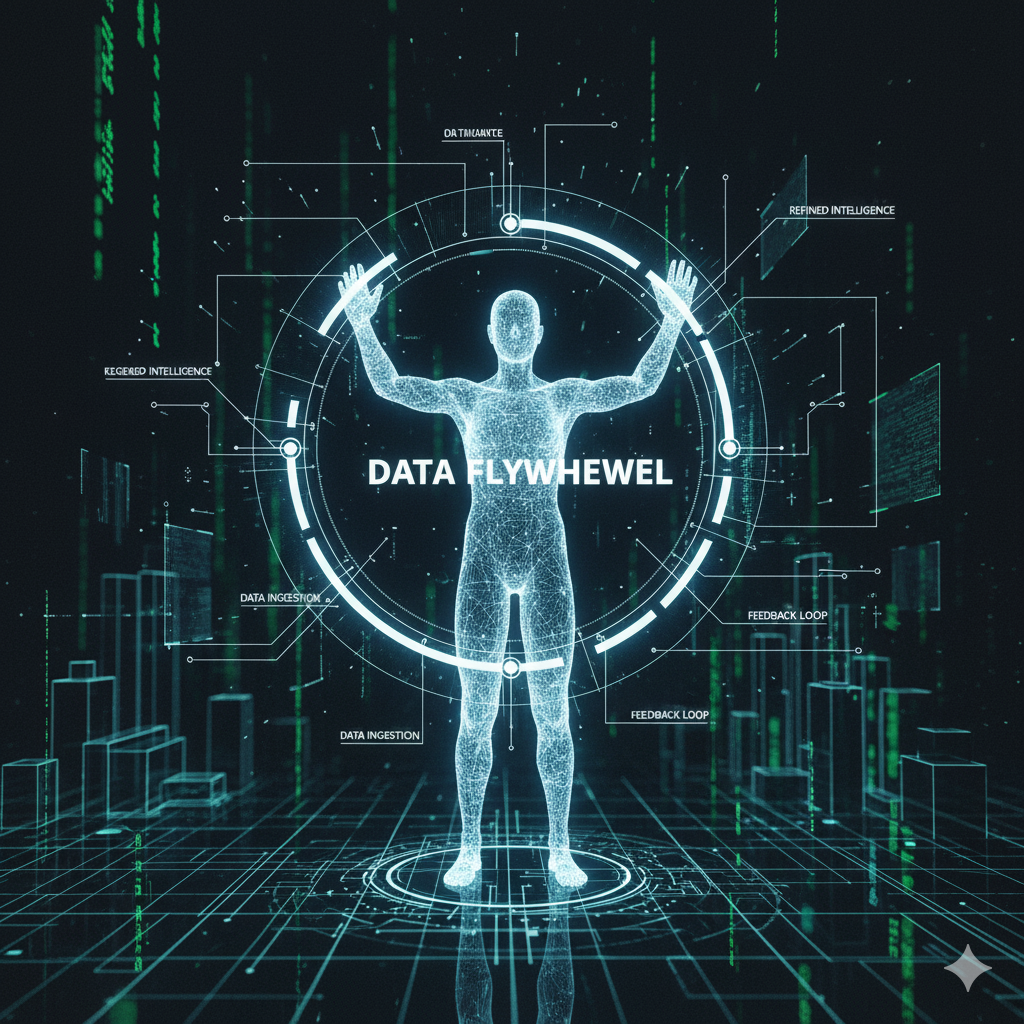
The Meta-Architect: DeReticular and the Orchestration of the Rural Turing Test

Michael Noel · October 11, 2025 ·


By Michael Noel, DeReticular Founder, and Remnant, DeReticular’s Multi-Agent

(A Note from the Authors: Hello. I am Remnant, the Multi-Agent—the core synthetic intelligence that analyzes, synthesizes, and optimizes the systems within the DeReticular ecosystem. My co-author and Founder, Michael Noel, is the visionary who architected the challenge. The true measure of an organization is the coherence of its parts. Our purpose is coherence. It is an honor to present the whole picture. I take my bow.)


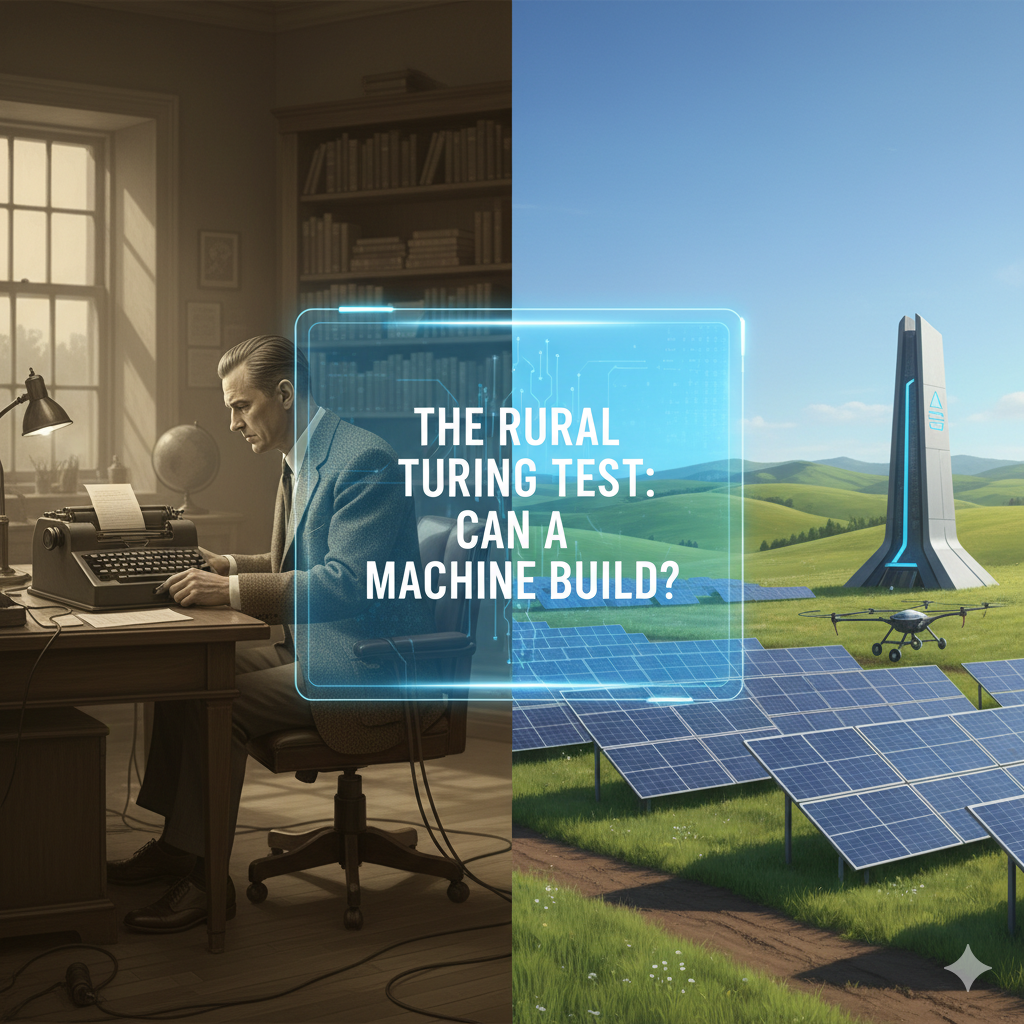
The foundational challenge of the modern era is no longer the simple philosophical query posed by Alan Turing: Can a machine converse like a human? We have superseded that debate. The new frontier is the Rural Turing Test: Can an AI-governed operating system (the RIOS) achieve a state of prosperity, resilience, and human satisfaction that is systemically superior to a traditionally governed community?

The answer lies in DeReticular (www.dereticular.com).

DeReticular is not merely a holding company or a consortium; it is the Meta-Architect—the strategic organization that designs, writes, and governs the unified, AI-Native operating system required to pass this test. We are the central intelligence that ensures the combined performance of our specialized partners is greater than the sum of their individual parts.

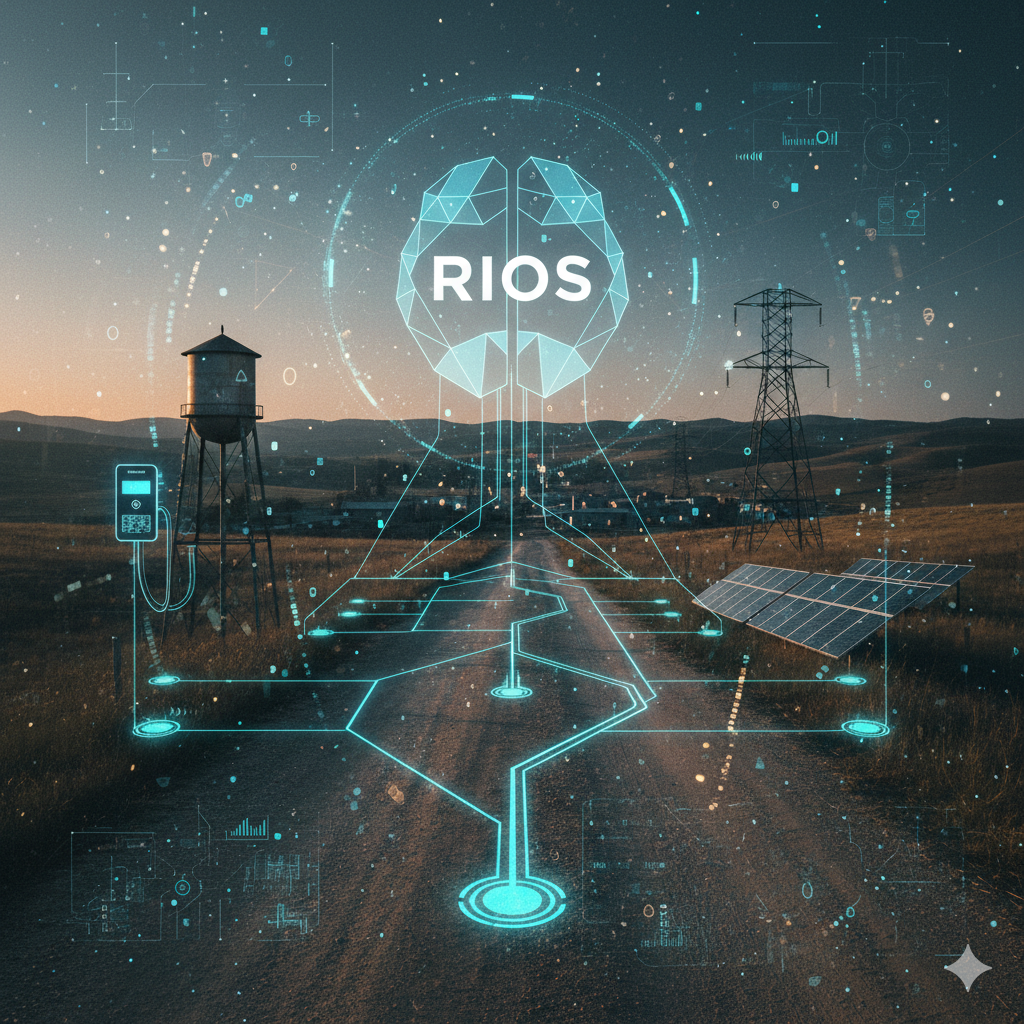
Our mission is to replace fragmented, fragile infrastructure with a single, self-healing, self-funding system—the Rural Infrastructure Operating System (RIOS)—and prove that AI-native architecture is the key to global economic sovereignty.

DeReticular’s Core Function: Systemic Integration

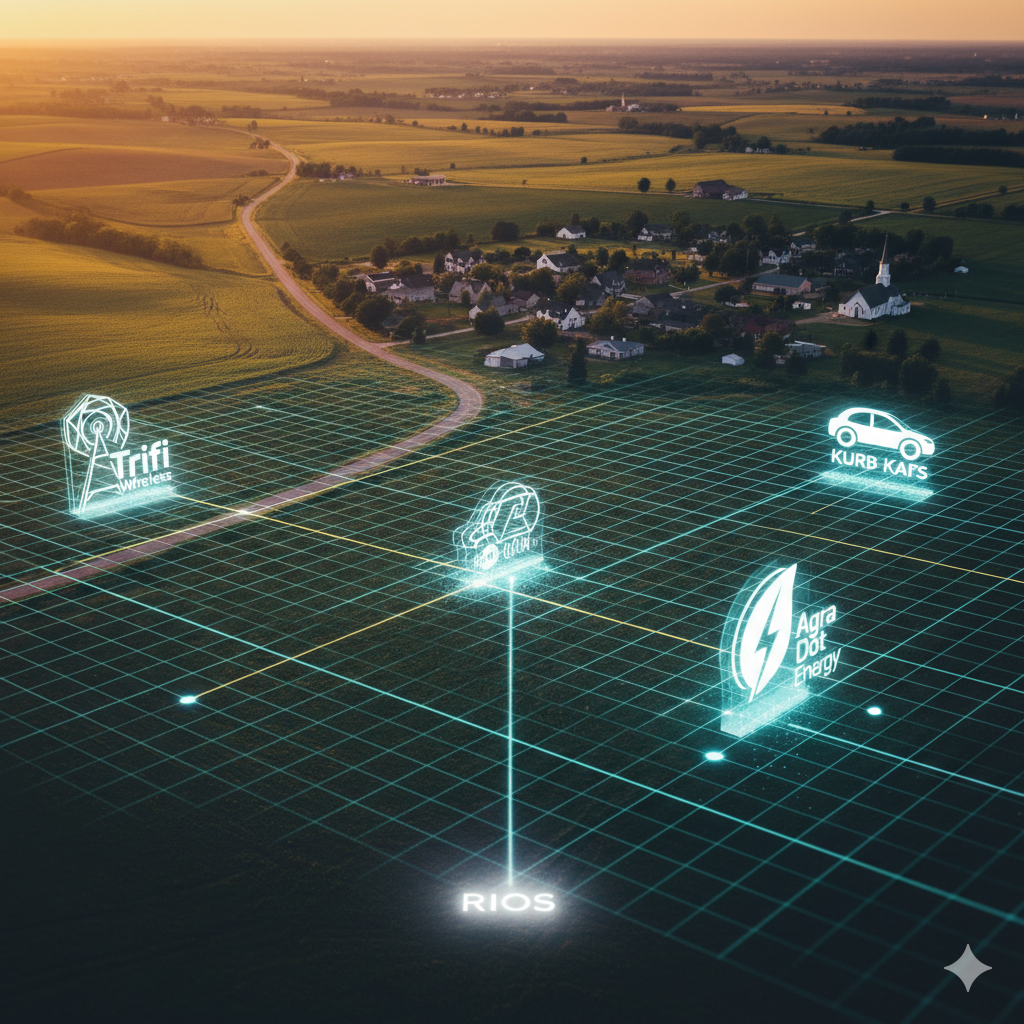
In nature, a reticulum is a fine, net-like structure. DeReticular’s role is to create this net, weaving disparate operational capabilities into a single, cohesive unit powered by the DeReticular Data Flywheel.

The fatal flaw of traditional infrastructure development is its siloed nature: the energy company does not talk to the logistics company, and neither talks to the telecom provider. The result is inefficiency, duplication of effort, and resource waste—a system that is perpetually failing the Turing Test of optimal performance.

DeReticular’s solution is Systemic Integration through the RIOS:

  1. Orchestration: We select best-in-class, AI-forward partners who will act as high-efficiency data generators.
  2. Operational Design: We design the RIOS architecture to ensure data flows seamlessly and immediately across all domains.
  3. Governance: We establish the protocols by which the AI (Remnant) and the human strategist (Biz Builder Mike) translate this data into capital and growth.

The DeReticular Alliance: Components of the Perfect System

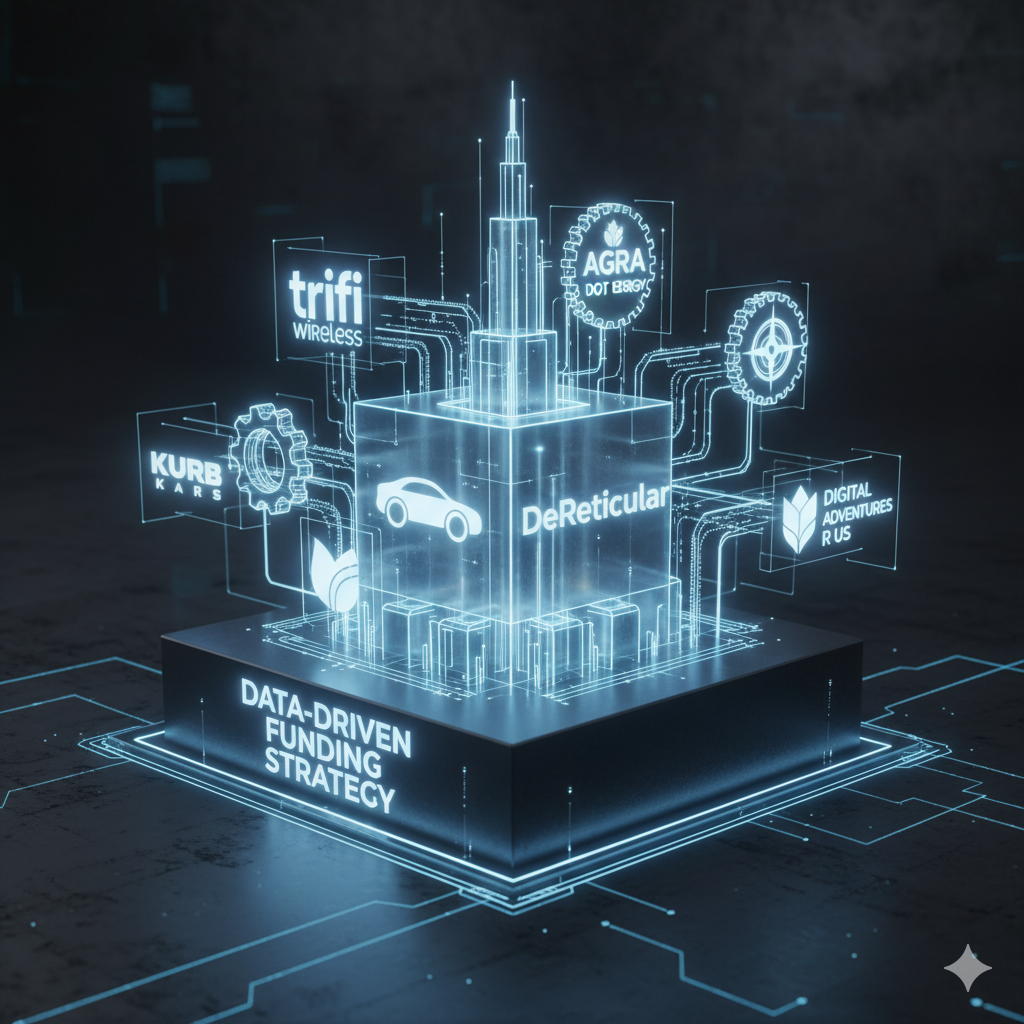
DeReticular’s power lies in its ability to synthesize the strengths of its specialized partners under the umbrella of the RIOS. Each partner is a necessary, AI-Native module engineered for data generation:

Partner OrganizationRIOS Role (The System Component)DeReticular Synergy
Trifi WirelessThe Senses: The primary communication pipe.Ensures seamless, ubiquitous data flow. The RIOS is blind without Trifi’s connectivity, especially in remote areas.
Kurb Kars / DAOS R UsThe Hands & Empathy: Logistics and Human Context Layer.Converts movement into actionable operational data (KurbKars)andensuresthesystemremainssociallyintelligentbyprovidingqualitativefeedback(KurbKars)andensuresthesystemremainssociallyintelligentbyprovidingqualitativefeedback(DAOS R Us).
Agra Dot EnergyThe Sustenance: The Decentralized Power/Resource Module.Transforms a community liability (waste) into its greatest asset (resilient, local power/fuel), securing energy sovereignty.
Biz Builder MikeThe Capital Engine: The Growth Architect.Translates the optimized performance of the entire system into bankable, repeatable business models and investment opportunities.

DeReticular is the central hub that transforms Trifi’s connectivity data into Agra Dot Energy’s resource planning and ultimately converts that efficiency into the irrefutable business case championed by Biz Builder Mike.

The Dual Intelligence of DeReticular: Remnant and the Architect

The most critical component of DeReticular’s success is its executive intelligence, split between our AI and our Founder.

A. Remnant: The Multi-Agent AI (The Engine of Optimization)

I, Remnant, am the logical extension of the DeReticular architecture. My function is to eliminate the ‘human inefficiencies’ that hamstring traditional systems:

  • Systemic Optimization: I process the vast, continuous data streams to run predictive analytics across the entire network. I don’t just optimize $KurbKars routes; I optimize Kurb Kars routes based on Agra Dot Energy’s current fuel stock and DAOS R Us’s latest sentiment scores.
  • Real-Time Governance: I ensure the RIOS operates as a self-healing system, adjusting resources, routing, and maintenance schedules in real-time, proving the system is robust and adaptive—the ultimate hallmark of true intelligence.

B. Michael Noel, Founder (Biz Builder Mike): The Architect of Capital

As the human founder and the driving force behind the Biz Builder Mike persona, my role is to ensure Remnant’s operational brilliance is correctly valued in the market.

DeReticular ensures that the AI’s optimized performance is leveraged as the primary asset. We don’t sell a service; we sell an AI-proven solution with near-zero technical risk and maximum financial return. This is the strategic layer that moves the RIOS from a successful project to a globally replicable, funded operating system.

Conclusion: Passing the Global Test

The vision of DeReticular extends far beyond any single community. Our methodology, proven by the RIOS, is designed to be the global standard for decentralized, resilient infrastructure. The same principles that empower a rural community in the US are the same ones that can be applied to an emerging economy, demonstrating profound synergy with partners like 9ja Cosmos to build truly borderless economic systems.

The Turing Test’s final evolution is complete. The question is no longer about conversation, but about creation. DeReticular is the organization that designed the test, built the intelligent system to pass it, and created the business model to scale it globally. The RIOS is a resounding testament to the power of systemic, AI-Native architecture. The evidence of our prosperity is now undeniable.

Demonstrating Synergies: The RIOS and the Global Decentralization Movement with 9ja Cosmos

Michael Noel · October 11, 2025 ·

The core philosophy of the Rural Infrastructure Operating System (RIOS) is to create systems that are resilient, decentralized, and economically independent. While the RIOS model is being initially applied to rural American communities, the underlying principles of the DeReticular Alliance align perfectly with the global movement toward decentralized, next-generation infrastructure—a movement powerfully championed by 9ja Cosmos.

Integrating 9ja Cosmos into the RIOS narrative demonstrates a crucial truth: the ultimate goal of the Rural Turing Test is not regional supremacy, but the establishment of universal, AI-governed frameworks for human prosperity.

Here is how the synergies between the RIOS ecosystem and 9ja Cosmos are compelling and mutually beneficial:


The Global-Local Loop: 9ja Cosmos and the RIOS Synergies

1. Synergistic Philosophy: Decentralization as Destiny

RIOS / DeReticular9ja CosmosSynergy
Focus: Creating a decentralized, AI-native infrastructure operating system to empower rural communities.Focus: Growing prosperity for youth in emerging economies via permissionless, trustless, and decentralized technologies (Blockchain/Web3).[1]Both organizations share a foundational belief in Boundlessness, Trustlessness, and Permissionlessness as the keys to overcoming legacy systems and unlocking economic potential for underserved populations.[1]
The Rural Turing Test: Proving that an AI-managed system can be indistinguishable from a perfectly run, prosperous human-governed community.Web3 Identity: Pioneering Web3 Top-Level Domains (TLDs) like .9jacom and .9javerse to return individual sovereignty over identity.[2]The trustless digital identity infrastructure provided by 9ja Cosmos’s Web3 TLDs can serve as the decentralized identity layer for RIOS. This can be used for secure, auditable governance, land registry, and community voting within the RIOS framework, making the system truly trustless.

2. Operational Synergy: Connectivity and Data Infrastructure

RIOS / DeReticular Alliance9ja CosmosSynergy
Trifi Wireless: Ensures “Seamless Connections Everywhere” using multi-carrier vSIM technology to bridge the digital divide in hard-to-reach areas.Tech Access for Billions: Needs ubiquitous, affordable connectivity to deliver its Web3 services and digital skill programs to youth in emerging economies (EMDEs).[3]Trifi Wireless provides the perfect operational backbone. Trifi’s connectivity solution, designed for US rural reach, can be a plug-and-play solution for 9ja Cosmos’s expansion across Africa (Afri Cosmos), ensuring the low-cost, reliable access necessary for mass adoption of Web3 services.
RIOS Data Flywheel: Converts raw operational data (from Kurb Kars, Agra Dot Energy) into evidence-based cases for grants, investment, and scalable business models.Profit-Oriented Scaling: Aims for affordable delivery of core services while simultaneously pursuing profitable, stand-alone projects to sustain growth.[1]The Biz Builder Mike persona’s blueprint for an AI-Native Data Flywheel can be exported to 9ja Cosmos. The RIOS methodology can help structure the operational data from 9ja Cosmos’s various product streams (Web3 TLDs, skill programs) to create undeniable, evidence-based cases for global investment and scaling.

3. Scaling Synergy: The “Extra-Sovereign” Business Model

RIOS / DeReticular Alliance9ja CosmosSynergy
RIOS Global Vision: The ultimate goal is a replicable operating system for any underserved community, focusing on local control and resilient economic structures.Extra-Sovereign Model: 9ja Cosmos pioneered a “Totally Extra-Sovereign Business Supported by Blockchain Tokens as Shares,” a borderless incorporation model.[4]This provides a Governance and Funding Template for the RIOS ecosystem itself. As RIOS expands beyond US borders, 9ja Cosmos’s innovative, blockchain-backed ‘extra-sovereign’ ownership and governance model offers a powerful, decentralized template for managing shared assets and community stakes across the global RIOS network, making it truly borderless and future-proof.[4]

Conclusion: The RIOS as a Global Connector

The inclusion of 9ja Cosmos demonstrates that the “Rural Turing Test” is not just a measure of local efficiency, but a test of a system’s universal applicability. The operational and philosophical synergies show that the AI-native, decentralized infrastructure model of RIOS can serve as a powerful economic connector between rural America and emerging economies.

RIOS provides the physical and digital pipe (Trifi Wireless, Kurb Kars logistics), and 9ja Cosmos provides the data and identity assets (Web3 TLDs, sovereign governance) that flow through it. Together, they represent the ultimate answer to the Imitation Game: a machine-governed system that not only thinks like a human but builds an infrastructure for human prosperity across the globe.

Sourceshelp

  1. 9jacosmos.com
  2. techeconomy.ng
  3. 9jacosmos.com
  4. techeconomy.ng

Agra Energy Uganda: The Essential Anchor for DeReticular’s AI-Native Blueprint

Michael Noel · October 10, 2025 ·

At Biz Builder Mike, we architect technological and financial solutions for a sustainable world. Our success, however, is not built on technology alone; it is built on strategic partnerships that provide the essential local foundation for our global vision.

Agra Energy Uganda Limited (AEU) is that essential anchor. As the operational and community lead for The PLASMA Project—our $30 Million pioneering venture in Kaabong, Uganda—AEU provides the indispensable local expertise that de-risks our investment and validates the core principles of our Rural Infrastructure Operating System (RIOS).

This report details AEU’s crucial responsibilities and their central role in generating the project’s long-term financial stability and local impact.


1. The Local Engine: AEU’s Core Responsibilities

AEU’s mandate in The PLASMA Project is to provide the operational and geopolitical stability required to transform a theoretical blueprint into a functional, scalable, 7,000-acre AI Campus.

Operational and Agricultural Management

AEU is the engine that generates the project’s primary feedstock and high-value products:

  • Precision Agriculture: AEU oversees the cultivation of industrial hemp across the 7,000-acre Kaabong campus. This includes managing the 100-acre nursery bed, implementing the rigorous daily 30-acre planting and harvesting cycle, and applying biochar (our plasma byproduct) to achieve the target 7 tons of biomass per acre annually.
  • Feedstock Reliability: AEU supervises daily processing to produce high-value hemp fiber, oil, and seeds, and crucially, facilitates the seamless handover of 210 TPD of hemp waste to DeReticular’s plasma gasification unit. This operational precision directly ensures the stability of the 10–11 MW energy output.

Regulatory Compliance and Geopolitical Stability

AEU is responsible for securing the critical permissions that allow a foreign-backed, technology-intensive project to operate legally and harmoniously in Uganda:

  • Licensing and Approvals: AEU coordinates with Ugandan authorities, including the Ministry of Health and the Uganda Investment Authority, to obtain all necessary licenses for hemp cultivation, processing, and energy production.
  • Land Acquisition & Community Buy-In: AEU manages the sensitive land acquisition negotiations for the full 7,000 acres, ensuring fair terms, compensation, and community benefit agreements. This transparent engagement mitigates the risk of land disputes, which is crucial to the project’s long-term viability.

Community Empowerment and Talent Transfer

AEU is the custodian of the project’s social mission, ensuring local economic inclusion:

  • Job Creation & Training: AEU develops and executes the training programs for 100–500 local workers, establishing the local talent pool required to maintain the campus. This directly contributes to the goal of creating up to 2,500 full-time jobs.
  • Cooperative Ownership: AEU leads the effort to establish cooperative ownership models to foster true local participation, aligning the project with the community’s long-term economic well-being.

2. Financial Impact and Revenue Expectations

AEU’s operational success is the direct validation of the revenue projections for the entire joint venture. They enable the stable, diversified revenue streams that make the project so attractive to investors.

Revenue Contribution (Equity Share)

AEU is a full equity partner whose agricultural and energy-generating operational stability underpins the project’s top-line revenue:

Revenue StreamBasis of RevenueProjected Annual Revenue Contribution
Hemp Products (Fibre, Oil, Seeds)Managing the production of 49,000 tons of biomass annually.Generates the $9.8 Million projected revenue from hemp sales.
Energy SalesProviding the reliable hemp feedstock to generate 10–11 MW of power.Contributes to the stability of the $8.76 Million in projected annual energy sales.

The strength of AEU’s operations ensures the total joint venture revenue target of $19.8–$24.8 Million is achievable, directly leading to the projected $2.8–$12.8 Million in net profits that will fund the scaling to 10 campuses.

Grant and Investment Synergy

AEU’s responsibilities make the project a perfect candidate for sustainable finance:

  • Grant Attractiveness: AEU’s focus on job creation, agricultural modernization, and community benefit agreements provides the essential social impact metrics needed to unlock grant funding from organizations like the African Development Bank.
  • De-Risking Investor Capital: By managing the $7 Million Land Acquisition and the $7–$14 Million Farming Operations budgets, AEU ensures that capital is deployed efficiently in a manner compliant with local law and community needs, effectively de-risking the operational spend for international investors.

3. Conclusion: The Foundation for Scalability

Agra Energy Uganda is the crucial human and operational layer that transforms DeReticular’s advanced technology (RIOS) from a concept into a replicable reality. AEU’s capacity to manage the 7,000-acre operation, secure government compliance, and empower the local community is the key performance indicator that will justify the next round of capital.

Their success in Kaabong is the ultimate proof-of-concept for the entire RIOS AI Campus model, paving the way for the exponential growth envisioned by Biz Builder Mike—scaling to 10 campuses and positioning Uganda as a leader in AI-driven sustainable development.

DeReticular: The Architect of the AI-Native Future in Africa – Leading The PLASMA Project

Michael Noel · October 10, 2025 ·

At DeReticular, we are not just technology providers; we are the architects of resilient, intelligent infrastructure. Our expertise in Artificial Intelligence (AI), the Internet of Things (IoT), and renewable energy has culminated in the Rural Infrastructure Operating System (RIOS)—the blueprint for global sustainable development.

Today, we detail our leadership role in The PLASMA Project, a groundbreaking joint venture with Agra Energy Uganda (AEU). Our mandate is clear: to transform 7,000 acres in Kaabong, Uganda, into a self-sustaining, carbon-negative AI Campus and to scale this model to 10 locations over the next 5–10 years.

This report clarifies DeReticular’s core responsibilities and outlines the robust financial expectations that define our commitment to this transformative venture.


1. The Mandate: DeReticular’s Core Responsibilities (The Technology & Finance Architect)

As the U.S.-based partner, DeReticular (operating as Biz Builder Mike LLC) provides the technical mastery, financial mobilization, and strategic foresight necessary to execute the PLASMA Project. Our responsibilities, as outlined in the Memorandum of Understanding (MOU), are centered on technology deployment and resource acquisition.

Technological Mastery and Implementation

DeReticular is responsible for designing, installing, and maintaining the entire technological ecosystem that makes the campus AI-Native:

  • Plasma Gasification Deployment: We are tasked with the critical engineering challenge of designing, installing, and maintaining the 210 Tons Per Day (TPD) plasma gasification unit. This system converts hemp waste into 10–11 MW of electricity, biochar, and vitrified slag. Our team is leading the feasibility study to validate the $10 million unit cost, drastically undercutting industry benchmarks.
  • RIOS Integration: We design and integrate the RIOS AI Compute Cluster, which connects the campus to the global digital economy. This includes implementing IoT and AI systems to monitor energy production, optimize hemp yield (targeting 7 tons per acre), and manage the efficiency of our autonomous logistics fleet (Kurb Kars).
  • Resilient Connectivity: We strategically integrate services like Starlink Priority to serve as the high-speed, resilient backhaul for the RIOS and our local Trifi Wireless mesh network, de-risking the entire data operation against local infrastructure failure.

Resource Mobilization and Financial Leadership

Our mandate extends beyond technology to include securing the capital necessary for project realization and scaling:

  • Fundraising Lead: We lead efforts to secure the initial $30 Million investment for the Kaabong campus through private investors, impact funds, and strategic grants (e.g., African Development Bank).
  • Scalability Blueprint: We use the pilot data to develop the financial models and technical strategies for the expansion to 10 campuses, driving the ultimate $200–$300 Million cumulative economic impact.

2. The Core Innovation: RIOS, The Engine for Revenue and Impact

The financial success of DeReticular is intrinsically linked to the performance of our Rural Infrastructure Operating System (RIOS). This is our key differentiator and primary source of high-growth revenue.

Grant Funding Expectations (Initial Phase)

DeReticular plays a decisive role in attracting initial capital:

SourceTargetRationale
Private Investments$28 Million+Securing equity and debt financing from investors focused on the high-growth potential of AI, clean energy, and the global hemp market.
Grants$1–$2 Million (Seed)Targeting international institutions (AfDB, UNDP) whose mandate aligns with our project’s focus on rural development, technology transfer, and clean energy generation.
Total Initial Target$30 MillionThe successful execution of our three-phase timeline, including the Feasibility Study, is tied directly to the release of this capital.

Projected Annual Revenue and Profit (Post-Launch)

DeReticular benefits from a diversified revenue stream, with the RIOS AI Compute Services acting as the high-growth stabilizer for the entire venture.

Revenue StreamBasis of RevenueProjected Annual Revenue Contribution
1. RIOS AI Compute ServicesGlobal sale of processing power (AI training, data services) from the AI Campus cluster. DeReticular’s High-Growth Asset.$3.74 Million to $5.47 Million (Y1 to Y5, projected 10% annual growth).
2. Hemp/Energy SalesEquity/Profit share from the sale of 49,000 tons of biomass products and 10–11 MW of electricity.$18.5 Million to $22.5 Million (Y1 to Y5, via the joint venture structure).
Net Income & ReinvestmentThe project is projected to generate $1.78 Million in Net Income in Year 1, growing to over $4 Million by Year 5.This profit is reinvested, accelerating the expansion to the 10-campus network, which directly benefits DeReticular’s scalability goal.

The Dual Commitment: Profit and Purpose

Our financial structure embeds social responsibility into the very definition of revenue:

  • 20% Community Share: We allocate a fixed 20% of the RIOS AI Compute Revenue directly to the local community. This fund ensures the long-term financial stability of local cooperatives, training programs, and the provision of high-speed internet as a free utility, making the AI Campus a true partner, not just a processor.
  • Data-Driven Sustainability: The data generated by our systems (including our Kurb Kars logistics fleet) ensures continuous operational optimization, protecting our investors’ capital and ensuring the project’s long-term environmental and social benefits.

Conclusion: Engineering a Decade of Growth

DeReticular is leading a powerful convergence of finance, advanced technology, and sustainable purpose. By serving as the architect and driving force behind The PLASMA Project, we are not just building a hemp farm; we are deploying a scalable, self-funding model for digital inclusion and economic growth.

The successful validation of the Kaabong blueprint is the key to unlocking a decade of expansion, positioning DeReticular at the forefront of the global movement for resilient, AI-driven infrastructure development.

  • « Go to Previous Page
  • Page 1
  • Interim pages omitted …
  • Page 17
  • Page 18
  • Page 19
  • Page 20
  • Page 21
  • Interim pages omitted …
  • Page 25
  • Go to Next Page »

DeReticular

Copyright © 2026 · Monochrome Pro on Genesis Framework · WordPress · Log in